How to Store Crypto Safely in 2026
By Paul Democritou · Updated November 9, 2026 · 13 min read

Storing crypto safely is one of the most important decisions every investor must make.
Unlike traditional banking systems, crypto transactions cannot be reversed. If your wallet is compromised or your seed phrase is exposed, your funds can disappear permanently.
This guide covers the safest ways to store cryptocurrency, from beginner setups to advanced strategies, so you can protect your holdings at every stage.
If you are unsure which wallet fits your situation, the Crypto Wallet Picker tool can help you compare wallet types and security features.
Direct Answer
The safest way to store crypto is to keep long term holdings in a hardware wallet or cold storage, use a software wallet only for smaller active balances, avoid leaving serious amounts on exchanges, and protect your seed phrase offline in a secure location.
At a Glance
- When to upgrade: Once your holdings reach an amount that would hurt to lose, move from a software wallet to a hardware wallet
- Best for beginners: Start simple, then upgrade once the amount held becomes meaningful
- Best for long term holders: Cold storage plus strong seed phrase protection
- Biggest mistake: Treating one wallet or exchange account like it should handle every role
Watch: Protect Your Crypto With a Hardware Wallet
Why Crypto Storage Is Different From Banks
When you store money in a bank, the bank manages security and recovery systems. If something goes wrong, customer support and fraud departments can often restore access.
Crypto works differently. You control your private keys. If those keys are lost or stolen, there is no central authority that can recover the funds.
That is why secure wallet storage is essential. For a deeper look at the security layers available, see our crypto security guide for 2026.
The Three Main Types of Crypto Storage
Crypto wallets generally fall into three categories:
Exchange wallets
Software wallets
Hardware wallets

Each has different security tradeoffs. Understanding these differences helps investors choose the right storage strategy. For a detailed breakdown, see our guide on hot wallets vs cold wallets.
Exchange Wallets
Most people first buy crypto through exchanges. These platforms store crypto in custodial wallets where the exchange controls the private keys.
Exchange wallets are convenient for buying, selling, and trading. But they are usually not ideal for long term storage.
Risks include exchange hacks, account freezes, and platform insolvency.
If you keep a balance on an exchange, protect the account: use a unique password, an authenticator app, passkey or security key instead of SMS codes, and turn on withdrawal address whitelisting where offered.
Many investors follow a simple rule in crypto: not your keys, not your coins. This means long term crypto should ideally be stored in wallets you control.
Software Wallets
Software wallets give users control of their private keys. They run on mobile phones, desktop computers, and browser extensions.
These wallets are popular for DeFi activity, NFT platforms, and everyday crypto use. They are often the right choice for active balances and smaller amounts.
However they remain connected to the internet, which exposes them to potential attacks. Common risks include malware and phishing scams.
For a deeper comparison, see hardware wallet vs software wallet. If you want to understand how attackers target wallets, read our guide explaining how hackers steal crypto wallets.
Hardware Wallets
Hardware wallets are widely considered the strongest practical storage option for long term crypto holdings, as long as the recovery phrase is protected.
These devices keep private keys on the device. When you send, your phone or computer prepares the transaction, the device shows the details on its own screen, and it signs only after you approve it physically.
Because private keys stay on the device, remote attackers cannot easily extract them. A hardware wallet still signs whatever you approve, so phishing and malicious approvals remain risks.
Many experienced investors use hardware wallets to store the majority of their crypto. A trusted option like Trezor offers strong security with an approachable setup, while an air-gapped option like Ellipal Titan models sign by QR code with no USB, Bluetooth or WiFi connection. Ledger is another popular option; see our Ledger wallet page.
You can explore the best options in our guide to the best hardware wallets in 2026. If you are unsure whether a hardware wallet is right for you, see how to decide if you need a hardware wallet.
Seed Phrase Protection
Most self custody wallets generate a seed phrase, also called a recovery phrase. This phrase is the master key to your wallet. Anyone who has access to it can restore your wallet and transfer your funds.
Many crypto losses happen because investors store seed phrases incorrectly.
Common mistakes include saving seed phrases in cloud storage, taking screenshots, and storing them in email or digital notes.
- Write the phrase offline on paper or metal and keep at least two copies in separate secure places.
- Verify your backup and recovery process before depositing significant amounts, preferably using the manufacturer's non-destructive backup check or a spare compatible device. Do not wipe your only funded device to test an unverified backup.
- Never type the phrase into a website, app or message. No real support team will ask for it.
- If it may have been exposed, promptly transfer remaining funds to a new wallet securely generated with a different recovery phrase.
The safest approach is keeping seed phrases offline. You can read our guide on how to store your seed phrase safely to learn best practices.
The Multi Wallet Strategy
Experienced investors rarely rely on a single wallet. Instead they divide their funds across different wallets to manage risk and match each wallet to a clear role.
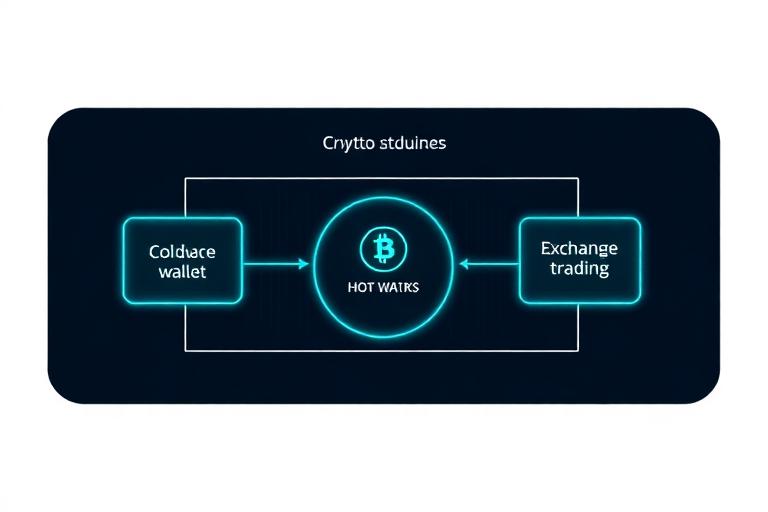
A common strategy includes:
Cold storage wallet for long term holdings
Hot wallet for everyday transactions
Exchange wallet for trading
This layered approach is often where crypto storage starts to make real sense.
Instead of forcing one wallet to do everything, many serious users separate roles clearly. An exchange wallet is used for buying and selling, a software wallet handles more active use, and a hardware wallet protects the more serious long term side of the portfolio.
That does two things. First, it reduces the damage if one part of the setup is exposed. Second, it creates a structure that matches how crypto is actually used in real life rather than pretending one wallet is perfect for every purpose.
If you want to understand how professional investors structure their wallets, read our guide explaining how professional crypto investors store their portfolios.
Not sure which wallet setup fits your situation?
Find your match with the wallet quizChoosing the Right Storage Strategy
There is no single wallet setup that works for everyone. The best approach depends on factors such as portfolio size, trading activity, technical knowledge, and risk tolerance.
For beginners
Start with a simple software wallet to learn the basics. Once the amount held becomes meaningful, upgrade to a hardware wallet for the long term portion. You do not need an advanced setup on day one.
For long term holders
A hardware wallet combined with strong seed phrase protection is usually the strongest foundation. Consider a Trezor or Ellipal for the cold storage side, and keep only minimal amounts in hot wallets.
For active traders
Active traders benefit from keeping a working balance in a software wallet or exchange wallet while storing the bulk of their portfolio in cold storage. The goal is to avoid keeping everything in the most exposed part of the setup.
For users with growing portfolios
As your portfolio grows, your storage setup should grow with it. What works for a small balance may not be enough once holdings become more serious. Reassess your wallet structure whenever the stakes change.
If you are unsure which wallet setup fits your situation, the Crypto Wallet Picker tool can help you compare wallets and security features. You can also explore the best crypto wallet comparison for 2026.
To understand the different tiers of protection, see our guide on the 5 levels of crypto wallet security. For long term cold storage specifically, see the best cold wallets for 2026.
A Simple Safe Storage Plan
- Decide how much you actively use and how much you are holding long term.
- Keep only the active amount on an exchange or in a software wallet.
- Set up a hardware wallet bought from the manufacturer or an authorized reseller for the long term amount.
- Write the recovery phrase offline, store it securely and verify the backup before depositing significant amounts.
- Move funds with a small test transaction first, using our guide to moving crypto from an exchange.
- Review the setup when your holdings grow. Beginners can start with beginner-friendly wallets, and larger portfolios should read the setup for holdings over $10,000.
Learn From Experienced Crypto Educators
Crypto security becomes much easier when investors follow reliable educational resources.
You can find additional crypto tutorials and security videos at CryptoFactor.net where experienced investors share insights about wallets, trading, and crypto strategy.
There are also several AI crypto tools available at AICryptoSuite.com designed to help investors analyze markets, research crypto projects, and make smarter decisions.
Combining strong security practices with reliable information dramatically improves your chances of protecting your crypto. For more on common pitfalls, see our guide on the biggest crypto wallet mistakes.
Final Thoughts
Crypto gives investors full control over their assets. That freedom also comes with responsibility.
Understanding how wallets work and how to store crypto safely is essential for long term success.
Many investors begin with exchange wallets, then upgrade to software wallets and hardware wallets as their knowledge grows.
By implementing basic security practices and using trusted wallet tools, you can significantly reduce the risk of losing your crypto.
Frequently Asked Questions
What is the safest way to store crypto?
For long term holdings, a hardware wallet is widely considered the strongest practical option because it keeps private keys off internet-connected devices. It is not automatically safe: it still depends on a protected, verified recovery backup and careful transaction review. For most people, combining a hardware wallet for long term holdings with a software wallet for active use creates a strong practical setup. The key is matching the wallet type to the role it needs to play.
Should I keep crypto on an exchange?
Exchanges are convenient for buying, selling, and trading, but they are generally not the strongest choice for long term storage. When crypto sits on an exchange, you do not control the private keys. Many investors keep only what they need for active trading on exchanges and move longer term holdings into wallets they control.
What happens if I lose my crypto wallet?
If you still have your seed phrase, you can restore the wallet on a new device and recover your funds. Without the seed phrase, recovery is usually impossible. That is why proper seed phrase storage is just as important as choosing the right wallet.
How many wallets should I use?
Many investors use two or three wallets to separate different roles. A common setup includes an exchange wallet for buying and selling, a software wallet for active use, and a hardware wallet for long term holdings. This layered approach limits the damage if any single part of the setup is compromised.
Is a hardware wallet worth it for small amounts?
For very small amounts, a simple software wallet is usually fine. But once your holdings become meaningful to you, a hardware wallet adds a layer of protection that is hard to match with software alone. The threshold is personal, but many investors upgrade once they hold more than they would be comfortable losing.
What is the difference between a hot wallet and a cold wallet?
A hot wallet is connected to the internet and designed for active, convenient use. A cold wallet stores private keys offline and is designed for stronger long term protection. Most serious setups use both, with cold storage for the bulk of holdings and a hot wallet for everyday transactions.
Can I use a software wallet for long term storage?
You can, but it is generally not recommended for larger or more meaningful holdings. Software wallets remain connected to the internet, which increases exposure to malware, phishing, and other attacks. For long term storage, hardware wallets or cold storage setups offer stronger protection.
What is the biggest mistake people make with crypto storage?
One of the biggest mistakes is treating one wallet or one exchange account like it should handle every role. Using a single point of storage for buying, trading, and long term holding creates unnecessary risk. Separating wallet roles and protecting the seed phrase properly are two of the most impactful improvements most people can make.
Recommended Guides
Best Crypto Wallet in 2026: Full Comparison Guide
Compare hardware wallets, software wallets, and cold storage options side by side.
Best Hardware Wallet in 2026
The top hardware wallets ranked by security, ease of use, and long term storage.
Find the right wallet for your security setup
Run the wallet quiz