Hardware Wallet vs Software Wallet: Which Fits You in 2026?
By Paul Democritou · Updated November 9, 2026 · 17 min read
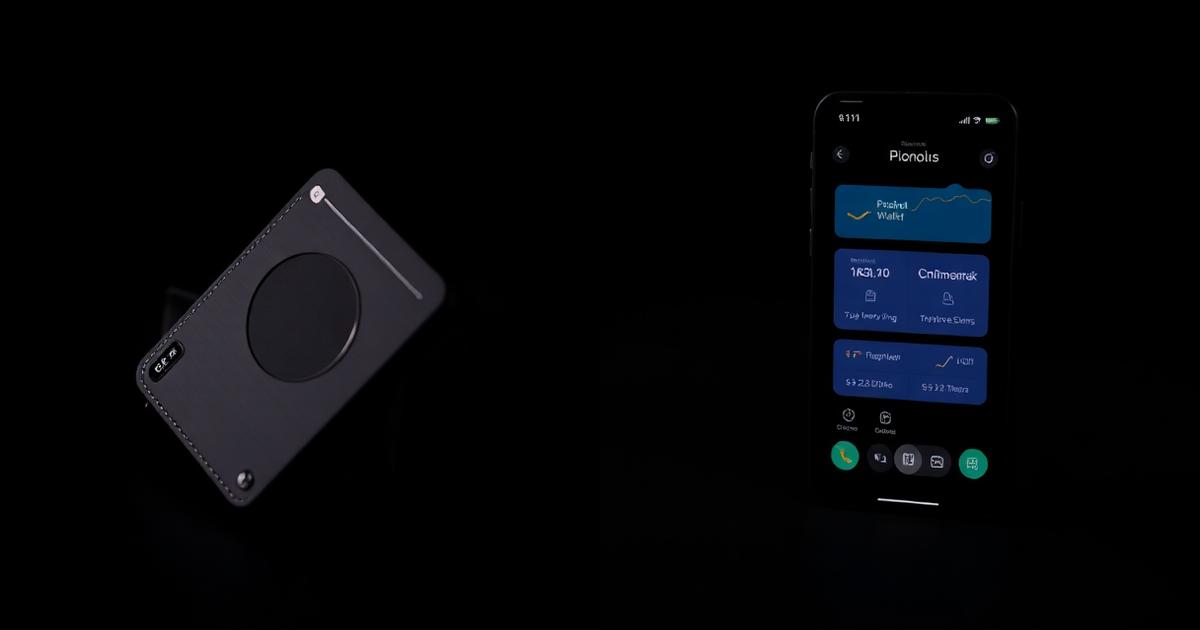
Choosing between a hardware wallet and a software wallet is really a choice about where your private keys live and how each transaction gets approved.
A software wallet keeps keys on a phone, computer or browser you also use for everything else. A hardware wallet keeps keys on a dedicated device and asks you to confirm each transaction on its own screen. Both are self custody tools. Neither is automatically safe.
This guide compares the two on custody, attack risks, recovery, cost and convenience, then shows which setup fits different kinds of users. If your question is about online versus offline storage in general, our hot vs cold wallet guide, linked near the end of this article, covers that angle.
Direct Answer
A hardware wallet is usually the better choice for larger long term balances because private keys stay on a dedicated device and every transaction needs physical confirmation. A software wallet is usually better for smaller balances, frequent transactions and DeFi because it is free, fast and always at hand.
Many users get the best balance by using both: a software wallet for a limited spending balance and a hardware wallet for savings. In either case, safety still depends on a protected recovery phrase and careful transaction review.
Wallet Types at a Glance
Usually lower risk for long term storage: Hardware wallet, if the recovery phrase is protected
Better for active use: Software wallet
Better for beginners: Software wallet for learning with small amounts, hardware wallet once holdings become meaningful
Best setup for serious users: Use both, with clear separation of roles
Hardware Wallet vs Software Wallet Comparison Table
| Category | Hardware Wallet | Software Wallet |
|---|---|---|
| Where keys live | On a dedicated signing device | On your phone, computer or browser |
| Transaction review | Confirmed on the device screen | Confirmed in the app on the same connected device |
| Malware exposure | Lower for keys, but a compromised computer can still mislead you | Higher, since malware on the device can target the wallet |
| Convenience | Lower, device needed to sign | Very high |
| Cost | One-time device purchase plus network fees | Usually free to install, network fees still apply |
| Recovery | Usually a recovery phrase, restorable on a compatible device | Usually a recovery phrase, sometimes cloud or account based options |
| Best Use Case | Long term holding and serious self custody | Active use, trading, DeFi, everyday transactions |
| Main residual risks | Exposed backup, fake device, approving a malicious transaction | Malware, phishing, device theft, exposed backup |
What Is a Hardware Wallet?
A hardware wallet is a small dedicated device that generates and stores your private keys and signs transactions internally. Your phone or computer prepares a transaction, the device shows the details on its own screen, and nothing is sent until you approve it on the device.
Manufacturers describe this screen as the place to check what you are really doing, because malware on a computer can change what the computer shows but not what the device displays. Trezor calls this its Trusted Display and Ledger calls its approach Clear Signing.
Hardware wallets are typically best for long term holders, people moving assets off exchanges, larger balances, and users who want stronger self custody. Some connect by USB, some by Bluetooth or NFC, and some, such as Ellipal Titan models and Keystone, pass transactions by QR code instead of a cable.
Popular examples include Trezor, Ledger, and Ellipal. Card-style options such as Tangem and QR-based devices such as Keystone use different backup and signing designs, so check how each one handles recovery before buying.
If you want product level recommendations, read: Best Hardware Wallet in 2026
What Is a Software Wallet?
A software wallet is an app or browser extension that creates and stores your private keys on a phone, desktop, or browser environment. It is designed more around accessibility and speed.
Software wallets are usually best for quick access, active trading, DeFi interaction, small and medium working balances, learning how wallet interaction works, and everyday crypto use.
They are convenient, fast, and often free, which is why many people start there. The tradeoff is that the keys sit on a device that also browses the web, opens email and installs other apps, so a single compromise of that device can reach the wallet.
Not every app is a self custody wallet. An exchange app holds your crypto for you. A self custody software wallet gives you a recovery phrase and does not need an account login to move funds.
Main Differences Between Hardware and Software Wallets
The biggest difference is not the app or the device. It is the role they should play.
A hardware wallet is built for protection first. A software wallet is built for access first.
That difference affects key exposure, how you review transactions, how you recover, what you pay, and how quickly you can act.
So the answer is not "Which is better?" The answer is "Better for what?"
Custody: Who Controls the Keys
Both wallet types are usually self custody: you hold the keys, and no company can freeze or reverse your transactions. That also means no company can recover funds if you lose your backup or approve a theft.
This is different from leaving crypto on an exchange, where the platform holds the keys and you rely on its security, solvency and withdrawal policies. Moving from an exchange to either wallet type changes who is responsible. Our step by step guide on moving crypto from an exchange walks through that transfer safely.
Which Is Safer?
For larger long term balances, a hardware wallet usually reduces risk. Keeping keys on a dedicated device lowers the chance that phishing pages, malicious downloads, fake extensions or clipboard malware can extract them, and the device screen gives you an independent place to check addresses.
But a hardware wallet is only safer if you use it properly. If your seed phrase is badly stored, photographed, or emailed to yourself, you can still completely ruin a strong setup. A hardware wallet also cannot stop you from approving a malicious transaction you did not read.
That is why this matters too: How to Store Your Seed Phrase Safely
Software wallets are not "unsafe" by default. They are just more exposed. For smaller working balances and active use, that exposure can be acceptable if you understand the tradeoff.
Attack Risks Compared
- Malware and infostealers. Mainly a software wallet risk, because keys or the wallet password may be reachable on the infected device. With a hardware wallet the keys stay on the device, but malware can still try to trick you into approving the wrong address or transaction.
- Address swapping and address poisoning. Affects both. Clipboard malware can replace a pasted address, and lookalike addresses can be planted in your transaction history. Check the full address, and on a hardware wallet confirm it on the device screen.
- Malicious approvals and signatures. Affects both equally. If you sign an approval that lets a contract move your tokens, the device signs exactly what you approved. Clear, readable transaction details help, but only if you read them.
- Recovery phrase phishing. Affects both. Fake support agents, fake apps and fake "wallet sync" pages ask for your phrase. No legitimate wallet or support team will ask for it.
- Physical theft. A stolen phone with a weak lock can expose a software wallet. A stolen hardware wallet is protected by its PIN, but anyone who finds your written recovery phrase can usually restore the wallet elsewhere.
- Supply chain tampering. A hardware wallet risk. Buy from the manufacturer or an authorized reseller, never use a device that arrives with a recovery phrase already filled in, and use the manufacturer's authenticity checks where available.
For a deeper look at device-specific weaknesses, see Can a Hardware Wallet Be Hacked?
Backup and Recovery
Most hardware and software wallets use a recovery phrase of 12 to 24 words. That phrase, not the device or app, is what really controls the funds. A complete phrase can usually restore a standard single-seed wallet on a compatible device or app without the original hardware.
- Write the phrase offline and store it somewhere protected from theft, fire and water. Avoid photos, cloud notes and email.
- Verify your backup and recovery process before depositing significant amounts, preferably using the manufacturer's non-destructive backup check or a spare compatible device. Do not wipe your only funded device to test an unverified backup.
- If you add a passphrase, store it separately and make sure a trusted person could follow your plan. Losing it can lock you out permanently.
- If the phrase may have been seen or copied, promptly transfer remaining funds to a new wallet securely generated with a different recovery phrase. Changing the PIN or reinstalling the app does not fix an exposed phrase.
Some software wallets offer cloud backups, and some card wallets offer backup cards instead of a written phrase. These shift where the risk sits rather than removing it, so read the provider's recovery documentation before relying on them.
Costs
Software wallets are usually free to install. Hardware wallets are a one-time purchase, with prices that vary widely by model, screen and connectivity. Neither removes network fees, which you pay to the blockchain on every transaction whichever wallet you use.
A useful rule of thumb is to compare the device price with the amount you would lose if your everyday phone or computer were compromised. If losing that balance would hurt, the cost of a hardware wallet and a durable backup is usually easy to justify.
Which Is Easier to Use?
Software wallets are easier to use. They are faster to set up, easier to access, more natural for mobile users, and better suited to quick transactions and active onchain use.
Hardware wallets are more deliberate. That can feel slower, but the slowness is often part of the protection. Friction is not always a problem in crypto. Sometimes friction is the reason you still have your money.
Which Is Better for Beginners?
For a total beginner trying to understand crypto basics, a software wallet is often easier to start with because it helps them learn how addresses, sending, receiving, and wallet interfaces work.
But once a beginner starts holding more meaningful value, a hardware wallet often becomes the smarter next step.
Also read: Do You Actually Need a Hardware Wallet?
Which Is Better for Long Term Holding?
Hardware wallets usually fit better here. If your plan is to buy crypto and hold it for months or years, a hardware wallet encourages stronger separation from everyday activity, less online exposure, more serious custody habits, and reduced reliance on exchanges. A long term setup also needs a verified backup and a plan for what happens if you are not around to use it.
Also read: Best Cold Wallet for Long Term Crypto Storage in 2026
Which Is Better for Active Trading and DeFi?
Software wallets usually fit better here. If you are trading often, connecting to protocols, using DeFi regularly, or making frequent transfers, then software wallets are usually the more practical choice.
That does not mean you should keep your entire portfolio there. It means software wallets are better for activity, while hardware wallets are better for protection. Some users connect a hardware wallet to a software wallet interface for DeFi, which keeps keys on the device but still requires careful reading of every approval.
Want help finding the right wallet?
Take the wallet quizWhen You Should Use Both
For many serious users, the smartest answer is both.
Software wallet for:
Active DeFi, frequent transactions, testing protocols, smaller working balances, convenience.
Hardware wallet for:
Long term holdings, larger balances, serious savings, reduced online exposure, stronger self custody.
This is how people move from random wallet usage to actual security architecture. Not one wallet for everything. Different wallets for different roles. Use separate recovery phrases for each role, so a problem with your everyday wallet does not reach your savings.
If you want a broad wallet comparison: Best Crypto Wallet in 2026
Hardware Wallet vs Software Wallet for Different User Types
Casual beginner:
A software wallet may be the easiest place to start, but only for smaller amounts and learning. See best crypto wallets for beginners.
Long term investor:
A hardware wallet usually makes more sense once the balance becomes meaningful.
Trader:
A software wallet is generally more practical because speed matters.
DeFi user:
A software wallet is usually the more natural tool for active interaction.
Serious self custody user:
Use both, with a clear separation between active funds and serious holdings.
Frequent traveler:
A small software balance for spending, with savings on a hardware wallet left in a secure place and a backup stored separately.
Common Mistakes People Make When Choosing a Wallet
- Believing one wallet should do everything. It should not.
- Keeping long term holdings in a software wallet just because it is easier. That is convenience beating judgment.
- Buying a hardware wallet and then storing the seed phrase badly. That defeats the point.
- Assuming a hardware wallet makes every signature safe. It signs what you approve. Read the details on the device screen.
- Thinking software wallets are only for beginners. They are useful tools when used for the right purpose.
- Choosing based on hype instead of fit. The right wallet depends on behavior, not brand loyalty.
A Wallet Is Only Part of the Security System
This matters whether you use hardware or software. A wallet is not your whole security plan. You still need proper seed phrase storage, device hygiene, phishing awareness, clean browser habits, and smart role separation between wallets. Our crypto security guide covers those layers in one place.
That is why these articles matter too: How to Store Crypto Safely and Hot Wallet vs Cold Wallet
Final Verdict
If you want the clean answer:
- Choose a hardware wallet if your main goal is long term security and serious self custody.
- Choose a software wallet if your main goal is convenience, activity, and fast access.
- Use both if you want the strongest real world setup.
Hardware wallets are better for protecting serious holdings. Software wallets are better for doing things. The mistake is trying to force one tool to do both jobs equally well, or assuming either one removes the need for a protected backup and careful signing.
Quick Takeaway
Hardware wallets reduce key exposure for savings. Software wallets make everyday use easy. Many people do best with both, separate recovery phrases for each role, and a verified backup before funding.
Sources and Further Reading
Manufacturer and security documentation checked November 9, 2026. Device behavior is attributed to the manufacturer, not independent testing.
- Trezor: verifying addresses on the device screen
- Ledger: what clear signing and blind signing mean
- Trezor: security threats to crypto wallets
- MetaMask: what a token approval allows
- Bitcoin.org: common scams, including address poisoning
Frequently Asked Questions
Is a hardware wallet safer than a software wallet?
For larger long term balances, a hardware wallet usually reduces risk because private keys stay on a dedicated device and each transaction must be confirmed on its screen. It is not automatically safe. A badly stored recovery phrase, a fake device, or approving a malicious transaction can still lead to loss.
Should beginners use a hardware wallet or software wallet?
Beginners often start with a reputable software wallet and a small amount to learn how addresses, networks and fees work. Once the value held becomes meaningful to you, moving long term savings to a hardware wallet bought from the manufacturer or an authorized reseller is a sensible next step.
Can I use both a hardware wallet and a software wallet?
Yes, and for many users that is the most practical setup. A software wallet holds a smaller spending balance for daily or DeFi use, while a hardware wallet protects long term holdings. Many software wallets can also connect to a hardware wallet so the keys stay on the device.
Is a software wallet bad for crypto?
No. A reputable software wallet is a reasonable tool for smaller balances, frequent transactions and learning. Its keys live on an internet-connected phone or computer, so malware, phishing and device theft are bigger concerns than with a dedicated signing device.
What is better for DeFi, a hardware wallet or software wallet?
Software wallets are usually more convenient for frequent DeFi use. Connecting a hardware wallet adds on-device confirmation, but it cannot make a malicious approval safe. Only sign transactions you understand, and keep long term savings separate from wallets that interact with new contracts.
What is better for long term holding, a hardware wallet or software wallet?
A hardware wallet is usually the better fit for long term holding because the keys are kept off your everyday devices and transactions need physical confirmation. Long term safety still depends on a protected, verified recovery backup.
Do I still need to protect my seed phrase if I use a hardware wallet?
Yes. Anyone with your recovery phrase can usually restore the wallet on another device without the original hardware. If it may have been exposed, promptly move funds to a new wallet generated securely with a different recovery phrase.
Can I keep some crypto in a software wallet and the rest in a hardware wallet?
Yes. Splitting by role limits the damage if your everyday wallet is compromised. Keep only what you actively use in the software wallet and move savings to the hardware wallet, sending a small test transaction first when using a new address.
Recommended Guides
Best Hardware Wallet in 2026
Compare top hardware wallets by security, ease of use, and long term storage.
Best Cold Wallet for Long Term Crypto Storage in 2026
A deeper look at cold storage strategy and which wallets suit long term holders best.
Find the right wallet for your security setup
Run the wallet quiz