How To Decide If You Actually Need a Hardware Wallet
By Paul Democritou · Updated November 9, 2026 · 13 min read
One of the most common questions in crypto is simple: do I actually need a hardware wallet? The honest answer is not always yes. It depends on how much you hold, how you use crypto, and how much risk you are comfortable with.
The crypto community often treats hardware wallets as a universal requirement. That advice is well-intentioned but overly simplistic. A hardware wallet is a tool, and like any tool, its value depends on the job you need it to do. For some people, it is essential. For others, it may add complexity without proportional benefit.
This guide takes a balanced approach. It explains what hardware wallets actually do, where they excel, where they fall short, and how to determine whether one makes sense for your specific situation.
Direct Answer
You probably need a hardware wallet if your crypto holdings have reached a level that would genuinely hurt to lose, if you plan to hold long term, or if you want to reduce your exposure to exchange and device-related risk. If you are only learning with small amounts or trading actively, a software wallet may be enough for now.
At a Glance
- Practical threshold: If your crypto represents more than you would casually write off, or if it makes up a meaningful share of your savings, a hardware wallet is usually justified
- May not need one yet if: you are learning with small amounts or trading actively
- Best reason to upgrade: reducing exchange risk and online exposure
- Biggest mistake: buying a hardware wallet without being ready to protect the seed phrase properly
What a Hardware Wallet Actually Does
A hardware wallet is a physical device that stores your private keys offline. Your private keys prove ownership of your crypto. Whoever holds the keys controls the funds. A hardware wallet ensures those keys are generated, stored, and used entirely within the device itself, never touching your computer or phone directly.
Here is what a hardware wallet does:
- Isolates keys from internet-connected devices. Your private keys exist only on the hardware wallet. They are not exported to your computer, your phone, or any network during normal use. This removes a large category of remote key-theft attacks.
- Protects against malware and browser exploits. Even if your computer is infected with keyloggers, clipboard hijackers, or screen-capture malware, the keys on your hardware wallet remain inaccessible. Malware can still try to trick you, which is why you check details on the device screen.
- Requires physical confirmation for transactions. Every transaction must be reviewed and approved on the device itself. You verify the recipient address and amount on the hardware wallet's screen before signing.
- Reduces phishing exposure. Fake websites and malicious browser extensions cannot extract keys from a hardware wallet. The physical confirmation step adds a critical layer of verification that software wallets lack.
Equally important is understanding what a hardware wallet does not do:
- It does not protect you from sending funds to the wrong address. If you copy a wrong address and confirm the transaction on your device, the funds are gone. Compare the full address on the device screen before approving.
- It does not protect you from losing your seed phrase. Your seed phrase is the backup to your hardware wallet. If you lose both the device and the seed phrase, your funds are permanently inaccessible. For more on this, see how to store your seed phrase safely.
- It does not make every signature safe. If you approve a malicious token approval or contract interaction, the device signs exactly what you approved.
- It does not guarantee zero risk. No security tool eliminates all risk. Hardware wallets dramatically reduce certain attack vectors, but physical theft, seed phrase exposure, and user error remain real threats.
Understanding this distinction is critical. A hardware wallet is an excellent tool for reducing specific risks, not a magic shield that makes crypto completely safe. For a broader look at wallet security, see how to store crypto safely.
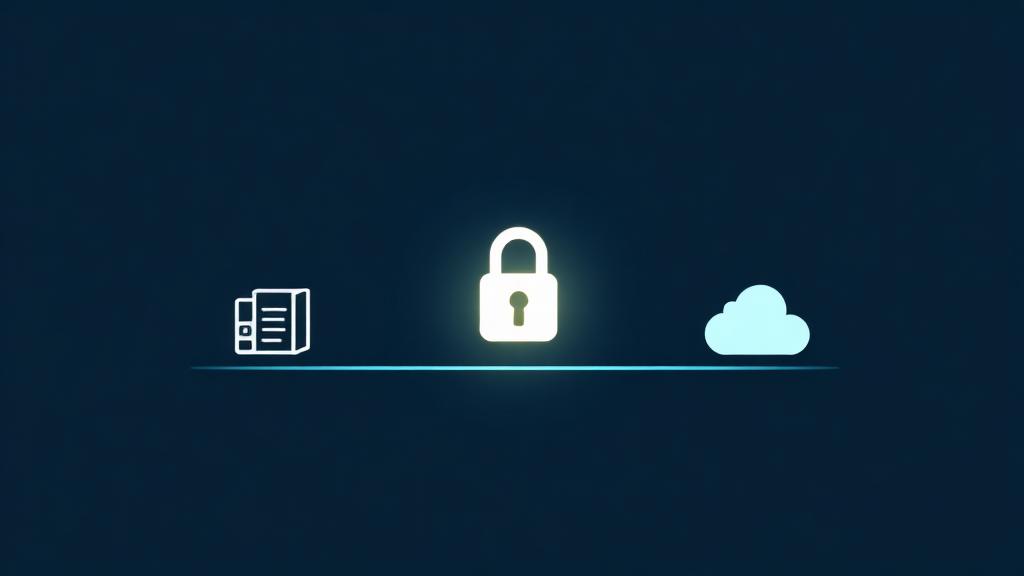
A hardware wallet keeps your private keys isolated from internet-connected devices.
When You Probably Do Not Need One
Not every crypto holder needs a hardware wallet right away. In certain situations, the added complexity and cost may not be justified.
- You hold less than $1,000 in crypto. At this level, the cost of a hardware wallet represents a significant percentage of your holdings. A reputable software wallet on an updated phone with a strong screen lock, plus an offline backup of its recovery phrase, may provide adequate protection.
- You actively day trade. If you move assets multiple times per day, a hardware wallet introduces friction. Every transaction requires connecting the device, reviewing on screen, and physically confirming. For high-frequency trading, this workflow is impractical.
- You keep only short-term capital in crypto. If you regularly move money in and out of crypto as a short-term vehicle, the urgency for cold storage is lower. The funds are in motion, not sitting in a wallet for months.
- You are testing crypto for the first time. If you just bought your first small amount of crypto to learn how it works, a hardware wallet is premature. Spend time understanding how wallets, addresses, and transactions work first. For beginner guidance, see the best crypto wallets for beginners.
In these scenarios, the complexity of managing a hardware device, a seed phrase, and proper backup procedures may outweigh the security benefit. The right level of security should match your exposure.
When You Probably Do Need One
A hardware wallet becomes strongly recommended when any of the following conditions apply:
- Your holdings exceed a meaningful personal threshold. "Meaningful" is different for everyone. The question is not about a specific number but about whether losing that amount would cause real financial pain. If yes, a hardware wallet is a rational investment.
- Crypto represents a significant portion of your net worth. If 10 percent or more of your total wealth is in crypto, the risk of loss has outsized consequences. The cost of a hardware wallet becomes negligible relative to the value it protects.
- You plan to hold long term. If you are buying crypto with the intention of holding for months or years, your assets will be sitting in a wallet for extended periods. Cold storage removes the ongoing risk of online exposure during that hold.
- You do not want exchange counterparty risk. Leaving crypto on an exchange means trusting that company with your assets. Moving to a hardware wallet removes exchange custody risk, although you take on full responsibility for your backup.
- You value sovereignty over your financial assets. Some people choose hardware wallets because of a philosophical commitment to self custody. If owning your keys matters to you on principle, a hardware wallet is one of the most practical ways to do it securely.
At this stage, self custody becomes responsibility. The cost of a hardware wallet is trivial compared to the value it protects. For a comparison of the best options available, read our best hardware wallet guide for 2026.
The Risk Threshold Concept
Security decisions should scale with exposure. This is the risk threshold concept, and it applies to crypto just as it applies to any other area of financial management.
Small exposure equals basic protection. If you are experimenting with small amounts, a reputable software wallet with a strong device lock and an offline backup provides reasonable security.
Large exposure equals layered protection. As your holdings grow, your security should grow with them. This means moving from software wallets to hardware wallets, from paper seed phrase backups to metal backups, and from single-device setups to redundant multi-device architectures.
There is no universal number that defines the threshold. But many investors reconsider their custody setup once their holdings pass $5,000 to $10,000. At that point, the cost of a hardware wallet becomes negligible relative to the value at stake.
Think of it like home security. If you own a few hundred dollars worth of belongings, a locked door is probably sufficient. If you own tens of thousands in valuables, you might add an alarm system, a safe, and insurance. The same scaling logic applies to your crypto security.
For a comprehensive breakdown of security practices at every level, read our crypto security guide for 2026.
The Decision Checklist
If you are still unsure whether a hardware wallet is right for you, work through this checklist honestly.
1. If this wallet were compromised, would it materially impact me?
If losing your crypto holdings would cause real financial stress, not just annoyance, a hardware wallet is strongly recommended.
2. Do I store funds on an internet-connected device?
If your crypto is accessible from a phone app, browser extension, or desktop application connected to the internet, your keys are exposed to malware, phishing, and remote attacks. A hardware wallet moves those keys offline.
3. Do I travel frequently?
Traveling with crypto adds risk. Public WiFi, shared computers, and physical device theft all become factors. A hardware wallet that stays at home, combined with a limited travel wallet, is a safer setup.
4. Do I interact with unknown smart contracts often?
DeFi users who regularly approve smart contract interactions are exposed to malicious contracts and token approval exploits. A hardware wallet adds a physical verification step that can help catch suspicious transactions, but only if the device shows readable details and you actually read them. Using a separate low-balance wallet for unfamiliar apps also matters.
5. Is my current setup dependent on one device only?
If all your crypto is accessible from a single phone or computer, and that device is lost, stolen, or compromised, you lose everything. A hardware wallet with a properly stored seed phrase provides an independent recovery path.
6. Am I ready to protect a recovery phrase? A hardware wallet is only as safe as its backup. If you are not ready to store a recovery phrase offline and privately, fix that first, because the phrase can usually restore your wallet without the device.
If you answered yes to two or more of these questions, a hardware wallet is worth serious consideration. If you answered yes to three or more, it is strongly recommended.
If you decide to buy one
- Buy from the manufacturer or an authorized reseller, and never use a device that arrives with a recovery phrase already filled in.
- Check that it supports every coin and network you hold.
- Write the recovery phrase offline and verify the backup with a non-destructive check before depositing significant amounts.
- Move funds with a small test transaction first. Our exchange withdrawal guide walks through it.
- If your holdings are already five figures, see the wallet setup for portfolios over $10,000. For known device weaknesses, read can a hardware wallet be hacked.

A structured decision framework helps you evaluate whether a hardware wallet matches your risk profile.
Not sure which wallet fits your situation?
Take the Wallet Finder quizHardware Wallet vs Hot Wallet: The Reality
The debate between hardware wallets and hot wallets is often framed as an either-or choice. In reality, the correct answer for most serious investors is both.
Hot wallets are convenient. They are free, easy to set up, and provide instant access to your funds. Software wallets integrate seamlessly with DeFi protocols, NFT marketplaces, and decentralized applications. For daily activity, they are hard to beat.
Hardware wallets prioritize security. They sacrifice some convenience for significantly stronger protection. The physical confirmation requirement, offline key storage, and isolation from internet threats make them the standard for protecting larger balances.
Many experienced investors use a tiered approach that combines both:
- Hardware wallet for long term storage. The majority of the portfolio sits in cold storage on a hardware wallet. You access it infrequently, only when making large transfers or rebalancing.
- Hot wallet for daily activity. A smaller amount sits in a software wallet for everyday transactions, DeFi interactions, or small purchases. If this wallet is compromised, the loss is manageable.
This tiered structure reduces risk without sacrificing usability. You get the convenience of a hot wallet for your active capital and the security of a hardware wallet for your savings. The key discipline is maintaining strict separation: never keep more in your hot wallet than you are willing to lose.
For a full breakdown of how these two types compare, see hardware wallet vs software wallet and hot wallet vs cold wallet.
Common Misconceptions
There are several persistent myths about hardware wallets that prevent people from making informed decisions.
Myth 1: Hardware wallets are only for whales
This is false. Hardware wallets are for anyone with meaningful exposure to crypto, regardless of the specific dollar amount. The decision should be based on your personal risk threshold, not on arbitrary portfolio size benchmarks.
Myth 2: They are impossible to use
Modern hardware wallets are significantly more user-friendly than their predecessors. Devices like Tangem are as simple as tapping a card to your phone. The Ledger Flex and Stax offer touchscreen interfaces. And Trezor offers one of the most approachable setup experiences. Most setups take 10 to 15 minutes.
Myth 3: They eliminate all risk
Hardware wallets greatly reduce certain risks, specifically remote key theft and malware that targets keys stored on your computer or phone. But they do not eliminate all risk. You can still lose your seed phrase, type it into a phishing site, approve a malicious transaction, send funds to the wrong address, or be physically robbed. A hardware wallet is one layer in a broader security strategy.
Myth 4: Software wallets are always unsafe
This is an oversimplification. Software wallets have legitimate security features including encryption, biometric locks, and password protection. For smaller amounts and active use, they provide a reasonable level of security. The key difference is that software wallets store keys on internet-connected devices, which exposes them to a broader range of attack vectors.
Myth 5: You only need one wallet ever
Many people buy a single wallet and consider their security complete. In practice, a diversified wallet strategy with different wallets for different purposes provides better protection. For cold storage options specifically, see the best cold wallets for 2026.
Use the Wallet Finder Tool
If you are unsure whether your portfolio and usage pattern justify a hardware wallet, the Wallet Finder tool on the homepage can help. It asks a few quick questions about your budget, experience level, security preferences, and intended use, then provides personalized recommendations.
The tool does not assume everyone needs a hardware wallet. It matches your actual situation with the most appropriate solution, whether that is a hardware device, a software wallet, or a tiered combination of both.
You can also explore specific wallet pages to compare options directly: Trezor, Ledger, Ellipal, and Tangem.
Frequently Asked Questions
Do beginners need a hardware wallet?
Not always. If you are just starting with small amounts to learn how crypto works, a well-secured software wallet is usually enough. Once your holdings grow to a personally meaningful amount, or you plan to hold long term, upgrading to a hardware wallet is strongly recommended. The key is matching the level of protection to the level of risk.
Is a hardware wallet safer than a software wallet?
Yes, for the specific risks it addresses. A hardware wallet keeps private keys on a dedicated device and requires on-device confirmation, which greatly reduces the risk of malware or remote attackers extracting them. It cannot stop you from approving a malicious transaction or revealing your recovery phrase. Software wallets store keys on internet-connected devices, exposing them to a wider range of attack vectors. However, neither wallet type protects against all risks. Proper seed phrase management and good digital hygiene are essential regardless of wallet type.
Can I use both a hardware wallet and a software wallet?
Yes, and many experienced investors do exactly this. A common setup is to keep long term holdings on a hardware wallet and use a software wallet for daily transactions, DeFi interactions, or small amounts. This tiered approach balances security with convenience and limits the damage if any single part of the setup is compromised.
How much crypto do you need before a hardware wallet is worth it?
There is no universal number. The right threshold depends on your personal financial situation. A useful rule of thumb is this: if losing your crypto would cause real financial stress, not just annoyance, a hardware wallet is justified. For many investors, this threshold falls somewhere between $2,000 and $10,000, but the decision is personal.
What is the best hardware wallet for someone buying their first one?
It depends on your priorities. Tangem is one of the simplest to use with a card-based NFC design. Ledger offers broad ecosystem support. Trezor provides open-source transparency and strong usability. Use the Wallet Finder tool to get a recommendation tailored to your specific needs and experience level.
Is it safe to keep crypto on an exchange instead?
Exchanges provide convenience but introduce counterparty risk. If the exchange is hacked, goes bankrupt, or freezes withdrawals, your funds may be inaccessible. For short term trading capital, exchanges can be acceptable. For long term holdings or amounts you cannot afford to lose, self custody with a hardware wallet is generally the safer choice.
What happens if my hardware wallet breaks or is lost?
If you have properly stored your seed phrase, you can usually restore your wallet on a new compatible device and recover your funds. This is why you should verify the backup with a non-destructive check before depositing significant amounts. The seed phrase is the backup. Without it, recovery is usually impossible. That is why seed phrase protection is just as important as the hardware wallet itself.
Are hardware wallets difficult to set up?
Modern hardware wallets are significantly easier to set up than earlier devices. Most setups take 10 to 15 minutes. Devices like Tangem work by tapping a card to your phone, and touchscreen wallets offer intuitive interfaces. If you can set up a new phone, you can set up a hardware wallet.
Final Thoughts
You do not need a hardware wallet because influencers say so. You do not need one because a brand has good marketing. You need one when your exposure justifies the protection.
That is a personal calculation. It depends on how much you hold, how long you plan to hold it, what percentage of your wealth it represents, and how much risk you are comfortable with.
Align your security with your risk. If your holdings are small and experimental, a software wallet with good practices may be sufficient. If your holdings are meaningful and long term, a hardware wallet provides a level of protection that software alone cannot match.
Use the Wallet Finder tool to determine whether your current setup matches your situation. Or explore the best crypto wallet comparison for 2026 for a broader view.
Recommended Guides
Best Hardware Wallet in 2026
The top hardware wallets ranked by security, price, and usability.
Best Crypto Wallet in 2026: Full Comparison Guide
Compare hardware wallets, software wallets, and cold storage options side by side.
Find the right wallet for your security setup
Run the wallet quiz