The Biggest Crypto Wallet Mistakes That Can Cost You Everything
By Paul Democritou · Updated March 2026 · 9 min read

Crypto gives investors full control over their assets. That freedom is one of the most powerful features of blockchain technology.
But it also comes with a serious responsibility.
Unlike traditional banking, crypto transactions cannot be reversed. If a mistake exposes your wallet, your funds can disappear permanently.
Many crypto losses do not happen because of sophisticated hacking attacks. They happen because investors make simple mistakes that attackers exploit.
In this guide we explain the most common crypto wallet mistakes and how you can avoid them.
If you are unsure which wallet setup fits your security needs, the Crypto Wallet Picker tool can help you compare wallet types and security features.
Direct Answer
The biggest crypto wallet mistakes that cost people everything are storing seed phrases digitally, falling for phishing attacks, leaving large amounts on exchanges, using only one wallet for everything, and ignoring basic device security. These mistakes are all preventable. Understanding what goes wrong and why is the first step toward building a setup that actually protects your funds.
At a Glance
- Most dangerous mistake: Storing your seed phrase digitally where it can be accessed
- Most common attack: Phishing scams that mimic real wallet or exchange sites
- Biggest structural mistake: Using one wallet for everything with no separation
- Most overlooked risk: Keeping large amounts on exchanges long term
- Best prevention: Hardware wallet + offline seed phrase + wallet role separation
Mistake 1: Storing Your Seed Phrase Digitally
Your seed phrase is the master key to your wallet. Anyone who has access to it can restore your wallet and transfer your crypto.
One of the most dangerous mistakes investors make is storing seed phrases digitally.

Common examples include saving seed phrases in cloud storage, keeping them in notes apps, emailing them to yourself, and taking screenshots of the phrase.
If a device becomes compromised, attackers can easily locate this information.
The safest approach is storing seed phrases offline. You can learn more in our guide explaining how to store your seed phrase safely.
Mistake 2: Falling for Phishing Attacks
Phishing scams are the most common way crypto gets stolen.
Attackers create fake websites that look identical to legitimate exchanges or wallet services. When users enter their login credentials or seed phrases, attackers immediately gain access to their wallets.
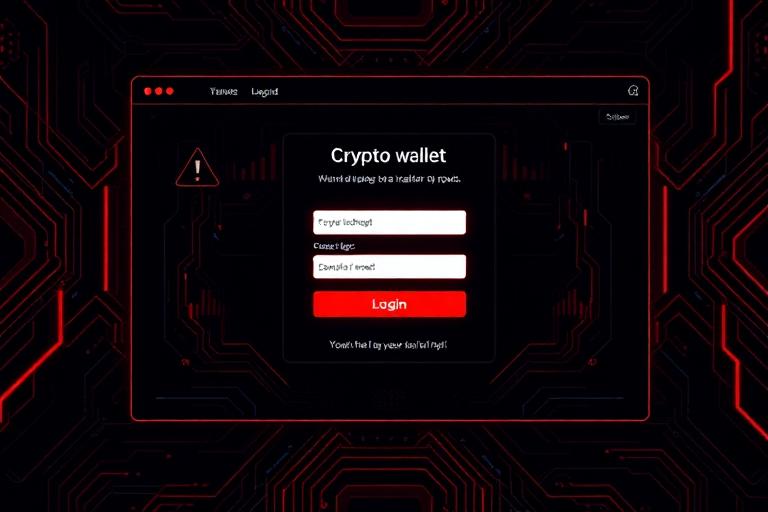
Common phishing methods include fake wallet recovery pages, emails pretending to be exchange support, and social media messages requesting verification.
Important rule: no legitimate wallet service will ever ask for your seed phrase. If someone asks for it, it is a scam.
You can learn more about these attacks in our guide explaining how hackers steal crypto wallets.
Mistake 3: Keeping Large Amounts on Exchanges
Many beginners leave their crypto on exchanges because it feels convenient.
However exchange wallets are custodial. This means the platform controls the private keys, not you.
If the exchange is hacked, freezes withdrawals, or experiences financial problems, your funds may be inaccessible.
Experienced investors usually move long term holdings to wallets they control.
Mistake 4: Using Only One Wallet
Another common mistake is storing all crypto in a single wallet. If that wallet becomes compromised, the entire portfolio could be lost.
Many investors instead use a multi wallet strategy. A common structure includes:
Cold wallet for long term storage
Hot wallet for transactions
Exchange wallet for trading
You can read more about this strategy in our guide explaining how professional crypto investors store their crypto.
Mistake 5: Not Using a Hardware Wallet
Hardware wallets are one of the safest ways to store cryptocurrency.
These devices store private keys offline and require physical confirmation for transactions.
Without a hardware wallet, private keys are often stored on internet connected devices which are more vulnerable to malware and phishing attacks.
Many experienced investors store the majority of their crypto on hardware wallets. An airgapped wallet like Ellipal keeps your keys completely isolated from the internet.
You can explore options in our guide to the best hardware wallets.
Mistake 6: Ignoring Device Security
Crypto wallets are only as secure as the devices used to access them.
Using infected computers or installing unknown browser extensions can expose wallets to attackers.
Some malware specifically targets crypto users by replacing copied wallet addresses or intercepting wallet connections.
Basic device security practices dramatically reduce these risks. Use trusted devices for crypto activity. Avoid installing unnecessary browser extensions. Keep operating systems updated.
Mistake 7: Not Understanding Wallet Types
Many investors lose funds because they do not fully understand how wallets work.
There are major differences between hot wallets, cold wallets, and exchange wallets. Each has different advantages and risks.
Understanding these differences helps investors choose the right storage strategy. You can learn more in our guides on hot wallets vs cold wallets and the 5 levels of crypto wallet security. For a practical audit of your own setup, see our crypto wallet security checklist.
Learn From Experienced Crypto Educators
Crypto security becomes much easier when investors learn from reliable sources.
You can find additional crypto guides and wallet tutorials at CryptoFactor.net where experienced investors share insights about crypto security and investing.
There are also AI crypto tools available at AICryptoSuite.com that help investors analyze markets, research projects, and make smarter crypto decisions.
Combining strong security practices with reliable information dramatically reduces the chances of losing crypto.
Final Thoughts
Most crypto wallet losses happen because of preventable mistakes.
By understanding common threats and following simple security practices, investors can dramatically reduce their risk.
Protecting your seed phrase, using hardware wallets, and separating funds across multiple wallets are some of the most effective steps you can take.
Crypto security is not about a single tool. It is about building strong habits.
If you want help choosing the safest wallet for your situation, the Crypto Wallet Picker tool can guide you through the best wallet options available. You can also read our comprehensive guide on how to store crypto safely.
Frequently Asked Questions
What is the most common crypto wallet mistake?
The most common mistake is exposing seed phrases through phishing scams or insecure digital storage. Many users save their seed phrase in notes apps, cloud storage, or screenshots without realizing how easily these can be accessed by attackers. Keeping the seed phrase offline in a physically secure location prevents most of these losses.
Can hackers steal crypto without my seed phrase?
Yes. Hackers can steal crypto through phishing attacks that trick users into approving malicious transactions, through clipboard malware that swaps wallet addresses, and through compromised devices that intercept wallet connections. A hardware wallet reduces these risks significantly but does not eliminate the need for good security habits.
Should I keep crypto on exchanges?
Exchanges are useful for active trading, but relying on them for long term storage introduces counterparty risk. If the exchange is hacked, freezes withdrawals, or goes bankrupt, your funds may be inaccessible. Move long term holdings to wallets you control.
What is the safest crypto storage method?
Hardware wallets combined with strong offline seed phrase protection provide one of the safest storage setups available. For additional protection, use multiple wallets separated by role and store seed phrase copies in two geographically separate secure locations.
How do I know if my wallet setup is safe enough?
Ask yourself: if my wallet were compromised right now, would it affect all of my holdings? If the answer is yes, your setup needs improvement. Separating wallets by role and using a hardware wallet for your main holdings are the most impactful changes you can make.
Is a hardware wallet enough to prevent all mistakes?
No. A hardware wallet protects your private keys, but it does not prevent you from falling for phishing, approving a bad transaction, or storing your seed phrase insecurely. Real protection comes from combining the hardware wallet with good operational habits.
What should I do if I realize I have been making these mistakes?
Start by fixing the highest-risk issue first. If your seed phrase is stored digitally, move it to offline physical storage immediately. If all your crypto is in one wallet, set up a second wallet and separate your holdings. Each fix reduces your exposure significantly.
Recommended Guides
Crypto Security Guide 2026
Device safety, browser protection, phishing, and the habits that protect your crypto.
How to Store Crypto Safely
Learn the safest ways to store cryptocurrency from beginner to advanced setups.
Find the right wallet for your security setup
Run the wallet quiz