Best Crypto Wallet in 2026: Full Comparison Guide
By Paul Democritou · Updated March 2026 · 13 min read
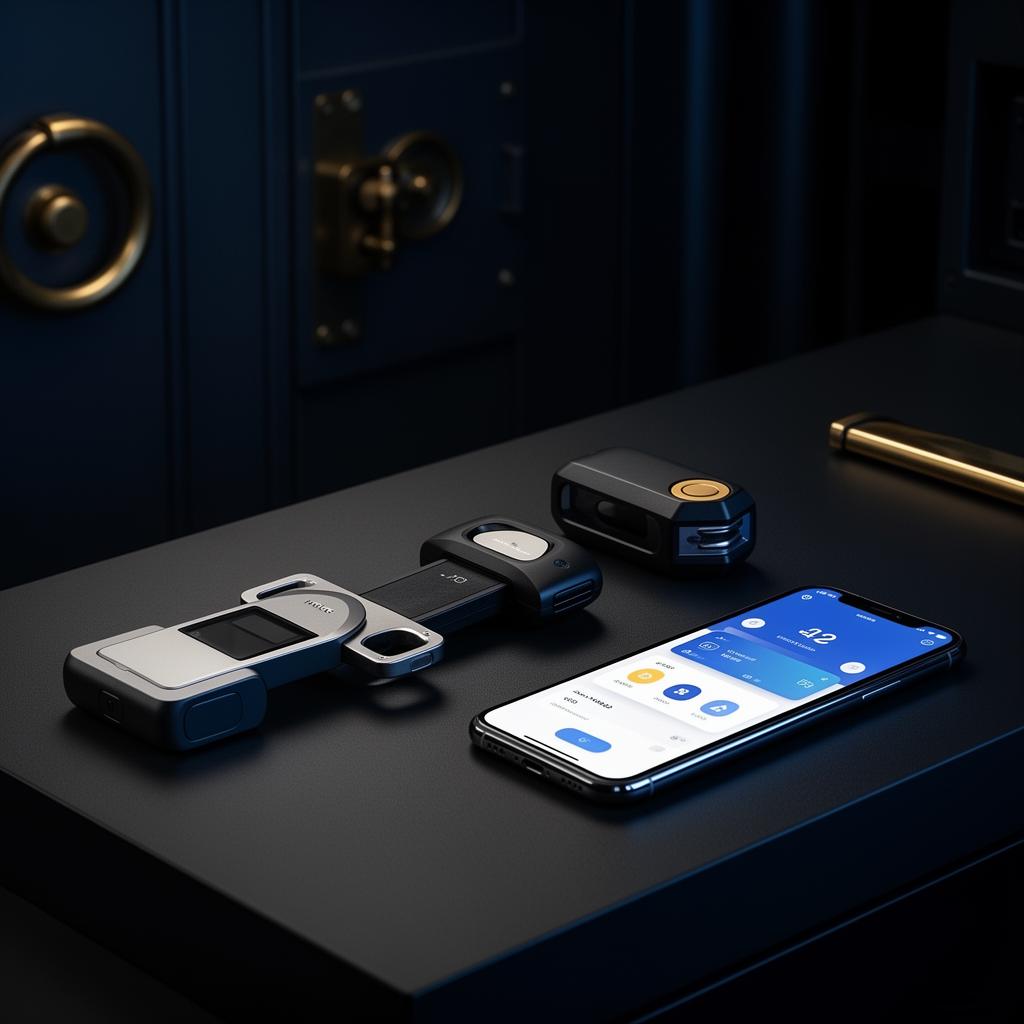
If you are asking what the best crypto wallet is in 2026, the honest answer is this: there is no single best wallet for everyone.
The right wallet depends on what you are actually doing with crypto. Someone learning with small amounts needs something different from a long term holder securing a serious portfolio. A traveler needs something different from a DeFi user. A beginner needs something different from someone already deep into self custody. Our guide to choosing a crypto wallet by investment style breaks this down for holders, traders and DeFi users.
That is why broad "best wallet" lists often fail. They try to force one answer onto very different users.
This guide does the opposite. It breaks down the best crypto wallets by type, use case, and user profile so you can choose a wallet setup that actually fits your life.
Direct Answer
The best crypto wallet in 2026 for most serious users is a setup that combines convenience for active use with stronger security for long term holdings. For many people, that means using a software wallet for smaller active balances and a hardware wallet such as Trezor for more meaningful long term storage.
The best wallet depends on how you use crypto. Hardware wallets are usually better for serious self custody, software wallets are better for speed and active use, and travel-friendly or cold-storage-focused setups matter when your circumstances change.
Crypto Wallets at a Glance
- Best overall: Trezor
- Best for beginners: Trezor or a simple software wallet for learning with small amounts
- Best hardware wallet: Trezor
- Best software wallet type: Reputable software wallet for active use and small balances
- Best for long term storage: Ellipal or Trezor depending on whether you value isolation or simplicity more
- Best for travel: Tangem
Crypto Wallet Comparison Table
| Wallet | Best For | Main Strength | Main Tradeoff |
|---|---|---|---|
| Trezor | Most users | Strong balance of security, trust, and usability | Requires proper setup and backup discipline |
| Ledger | Ledger ecosystem users | Broad brand recognition and familiar wallet category | Fit depends on preference and ecosystem trust |
| Ellipal | Isolation-focused users | Strong cold-storage mindset and separated workflow | Less convenient for highly active use |
| Tangem | Travel and portability | Compact and easy to carry | Less traditional than dedicated device wallets |
| Software wallet | Learning, active use, DeFi | Fast, easy, usually free | Higher exposure for larger long term holdings |
What Is a Crypto Wallet?
A crypto wallet is the tool that helps you access, manage, send, receive, and protect your crypto. That tool can take different forms: hardware wallet, software wallet, mobile wallet, browser wallet, or cold storage oriented setup.
A lot of confusion comes from people using the word "wallet" like it means one thing. It does not. That is why broad wallet comparisons can get messy fast unless you separate the different categories clearly.
Different Types of Crypto Wallets
There are two main categories most users care about.
Hardware wallets
Physical devices designed for stronger self custody and better long term protection. Usually best for long term holders, larger balances, users moving off exchanges, and people taking self custody seriously.
For the hardware-only roundup: Best Hardware Wallet in 2026
Software wallets
Apps, mobile wallets, or browser-based wallets designed around convenience and active access. Usually best for learning, smaller active balances, trading, DeFi, and everyday use.
For the type comparison: Hardware Wallet vs Software Wallet
Cold-storage-oriented setups
These focus on long term protection and lower online exposure. For that angle: Best Cold Wallet for Long Term Crypto Storage in 2026
Best Crypto Wallet Overall
For most normal users, Trezor is the best overall crypto wallet choice in 2026. That does not mean it is automatically best in every category. It means it is the strongest broad recommendation when you combine trust, usability, self custody value, and long term practicality.
A lot of people asking for the "best crypto wallet" are really asking: What should I use if I want a safer setup than an exchange? What wallet can grow with me? What wallet is serious without being needlessly awkward? That is where Trezor is strong.
For more: Trezor Wallet Page
Best Hardware Wallet
The best hardware wallet for most users is still Trezor. It offers one of the strongest balances of beginner-friendly usability, long term security, broad trust, and practical self custody. But different users may prefer different hardware wallets.
Ellipal
Strong for users who care most about isolation and a more separated security workflow. Learn more about Ellipal
Tangem
Interesting for portability and travel. Learn more about Tangem
Ledger
Still a major name and may suit users who prefer that ecosystem. Learn more about Ledger
For the deeper roundup: Best Hardware Wallet in 2026
Best Software Wallet Use Case
Software wallets are not the "bad" option. They are often the right option for active users, DeFi users, beginners learning with small amounts, fast access, and smaller working balances.
The mistake is not using a software wallet. The mistake is using a software wallet like it is your vault for serious long term holdings when you do not need that level of exposure.
A software wallet is often best when convenience matters, activity matters, speed matters, and the balance is limited and role-specific. That is why many serious users end up using both software and hardware wallets together.
Not sure which wallet fits your situation?
Answer a few quick questions and get a personalized recommendation.
Find the Right Wallet for YouBest Crypto Wallet for Beginners
For beginners, the best crypto wallet depends on stage.
For total beginners learning with small amounts
A simple software wallet can be enough.
For beginners becoming serious about self custody
Trezor is one of the strongest next steps.
That is why the beginner answer is not one size fits all. Beginners do best when they start simple, avoid overcomplication, stop leaving everything on exchanges, and upgrade once the amount held becomes meaningful.
For the full beginner guide: Best Crypto Wallets for Beginners in 2026
Best Crypto Wallet for Long Term Storage
For long term storage, hardware wallets and stronger cold storage setups are usually the best answer. This is where Trezor, Ellipal, and other serious cold-storage-oriented setups become much more important.
Long term storage should not be optimized around convenience first. It should be optimized around control, lower exposure, and better backup planning. That is where many people go wrong. They choose the most convenient wallet and then try to use it for every purpose.
For deeper long term guidance: Best Cold Wallet for Long Term Crypto Storage in 2026
Best Crypto Wallet for Travel
Travel changes the risk. That means a travel wallet setup often should not be the same as your home setup. For travel, many users care more about portability, lower exposure, carrying limited funds, and not dragging their full long term setup around.
That is why Tangem stands out here, and why many travelers should keep serious holdings at home while carrying only limited travel funds.
For the full travel angle: Best Crypto Wallet Setup for Travel in 2026
How to Choose the Right Crypto Wallet
The best wallet for you depends on a few blunt questions.
1. Are you learning, trading, or holding long term?
These are different use cases and they should not all point to the same wallet answer.
2. How much crypto are you holding?
The more meaningful the amount, the more serious the security should become. For guidance on larger balances, read What Crypto Wallet Should You Use If You Hold Over $10,000?
3. Do you need speed or protection more?
If you are active daily, convenience matters more. If you are storing long term, protection matters more.
4. Do you travel often?
Portability may matter more than a traditional dedicated device.
5. Are you actually ready for self custody?
A wallet only helps if you are willing to manage backups and behave carefully. If you are not sure: Do You Actually Need a Hardware Wallet?
The Best Wallet Depends on How You Use Crypto
This is the main point. There is no best wallet in the abstract. The best wallet is the one that fits your amount, your habits, your risk level, your activity, and your willingness to manage self custody properly.
That is why these are all valid answers depending on the person:
- Trezor for all around self custody
- Ellipal for more isolated long term storage
- Tangem for travel
- Software wallet for small active balances
- A combined setup for more serious users
Fit matters more than hype.
Common Wallet Mistakes
People make the same mistakes again and again.
Using one wallet for everything
Bad idea. Different wallet roles exist for a reason.
Leaving too much on exchanges
Convenience is not a real security strategy. Learn how to move crypto from an exchange to a self custody wallet.
Buying a hardware wallet and storing the seed phrase badly
That ruins the point. Read the seed phrase storage guide to avoid this.
Choosing based only on brand hype
The best wallet for someone else may be wrong for you.
Overcomplicating too early
Beginners do not need extreme setups on day one.
Under-protecting long term holdings
This is where convenience becomes expensive.
A Good Wallet Is Not Enough If the Rest of Your Setup Is Weak
A wallet is part of the system, not the whole system. You still need proper seed phrase storage, clean device habits, better browser habits, phishing awareness, and sensible wallet role separation.
That is why these matter too:
Final Verdict
The best crypto wallet in 2026 is not one wallet for every person. If you want the practical answer:
- Choose Trezor as the best overall broad recommendation
- Choose a software wallet for learning and active smaller balances
- Choose Ellipal if isolation matters most
- Choose Tangem if travel and portability matter most
- Choose based on your use case, not just the loudest opinion online
For many users, the smartest setup is not one wallet. It is a combination: software wallet for active use, hardware wallet for serious holdings, and stronger cold storage thinking for long term crypto. That is the real answer.
Quick Takeaway
The best crypto wallet is the one that matches how you actually use crypto. For many people, that means combining convenience for active use with stronger self custody for long term holdings instead of trying to make one wallet do everything.
Frequently Asked Questions
What is the best crypto wallet in 2026?
For many users, Trezor is one of the best overall crypto wallet choices in 2026 because it balances security, usability, and long term self custody well. But the right answer depends on whether you are learning, trading, traveling, or holding long term.
Is a hardware wallet better than a software wallet?
For long term storage, usually yes. Hardware wallets keep private keys offline and are resistant to remote attacks. For active use and convenience, software wallets are often better. Many serious users end up using both together in a layered setup.
Which crypto wallet is best for beginners?
That depends on stage. A beginner learning with small amounts may do fine with a simple software wallet, while a beginner becoming serious about self custody often benefits from moving to a hardware wallet like Trezor. The key is to start simple and upgrade as your holdings grow.
Which crypto wallet is best for long term storage?
For long term storage, hardware wallets and stronger cold-storage-oriented setups are usually the best answer because they reduce online exposure and support more serious self custody. Trezor and Ellipal are both strong choices depending on whether you value simplicity or maximum isolation.
Which crypto wallet is best for travel?
For travel, portability and limited exposure matter more than maximum cold storage features. Tangem is often one of the more attractive travel-focused options because of its card-based form factor, especially when paired with the strategy of leaving main holdings at home.
Should I keep my crypto on an exchange?
For temporary use such as buying or trading, exchanges are useful. For serious long term storage, relying on an exchange as your main vault is usually not the strongest choice because you do not control your private keys. Moving holdings to a self custody wallet gives you full control.
Do I need more than one crypto wallet?
In many cases, yes. One wallet for active use and another for long term storage is often a smarter structure than forcing one wallet to do every job. Separating wallet roles reduces risk and matches each wallet to its best use case.
What is the biggest crypto wallet mistake?
One of the biggest mistakes is treating wallet choice like a branding contest instead of matching the wallet to your real use case, amount held, and security responsibilities. Other common mistakes include losing seed phrases, leaving too much on exchanges, and skipping backup procedures.
Recommended Guides
Hardware Wallet vs Software Wallet
Understand the key differences and when to use each type of wallet.
What Wallet If You Hold Over $10,000?
Serious portfolios need serious custody strategies.
Find the right wallet for your security setup
Run the wallet quiz