The 5 Levels of Crypto Wallet Security (From Beginner to Expert)
By Paul Democritou · Updated March 2026 · 9 min read
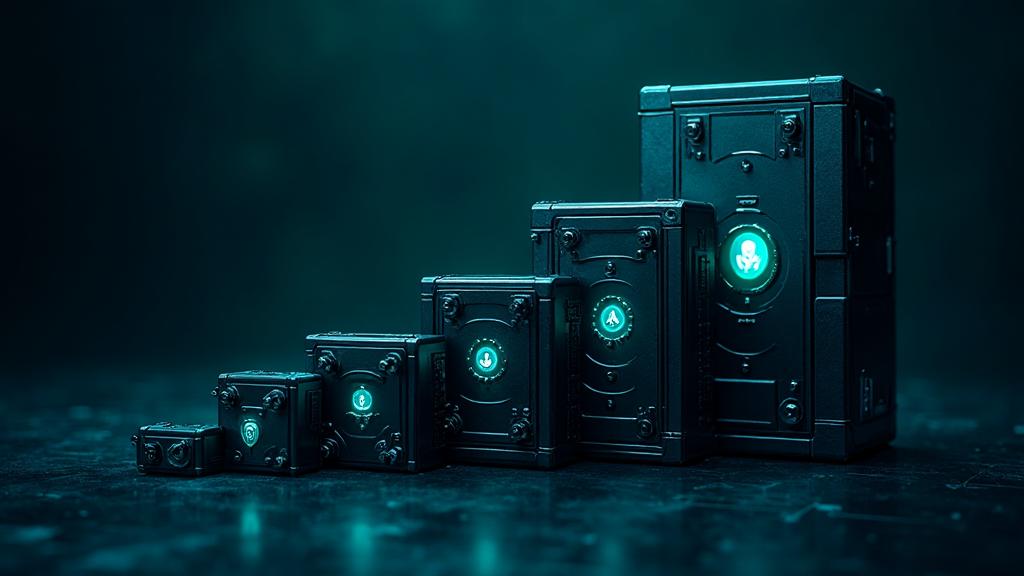
Crypto security is not a single decision. It is a progression.
Many investors begin with basic wallet setups and gradually upgrade their security as their holdings grow.
Understanding these levels helps you decide when it is time to move to a safer storage method.
This guide explains the five levels of crypto wallet security used by investors, from beginner setups to advanced protection strategies.
If you want help choosing the right wallet for your situation, the Crypto Wallet Picker tool can help you compare hardware wallets, software wallets, and other storage options.
Direct Answer
There are five levels of crypto wallet security: exchange wallets (lowest), software wallets, hardware wallets, multi-wallet strategies, and advanced setups with geographic distribution and multi-signature (highest). Most investors holding meaningful amounts should be at Level 3 (hardware wallet) at minimum. As holdings grow, upgrading to Level 4 (multi-wallet strategy) provides important additional protection by eliminating single points of failure.
Security Levels at a Glance
- Level 1 (Exchange): Convenient but you do not control the keys
- Level 2 (Software wallet): You control keys but they are online
- Level 3 (Hardware wallet): Keys offline, strong protection for most users
- Level 4 (Multi-wallet): Funds separated across multiple wallets by role
- Level 5 (Advanced): Geographic distribution, multi-sig, dedicated devices
Why Wallet Security Matters
Crypto gives you full control over your funds.
Unlike traditional banks, there is no central authority that can reverse a transaction or recover lost funds.
If your wallet is compromised, your crypto can be transferred instantly and permanently.
Many investors lose funds because they underestimate how important wallet security is.
Understanding the different levels of security helps you build a safer setup.
If you want to understand how hackers actually steal crypto wallets, read our guide explaining the most common crypto wallet attacks.
Level 1: Exchange Wallets
Most people enter crypto through centralized exchanges.
These platforms hold your crypto in custodial wallets. This means the exchange controls the private keys, not you.
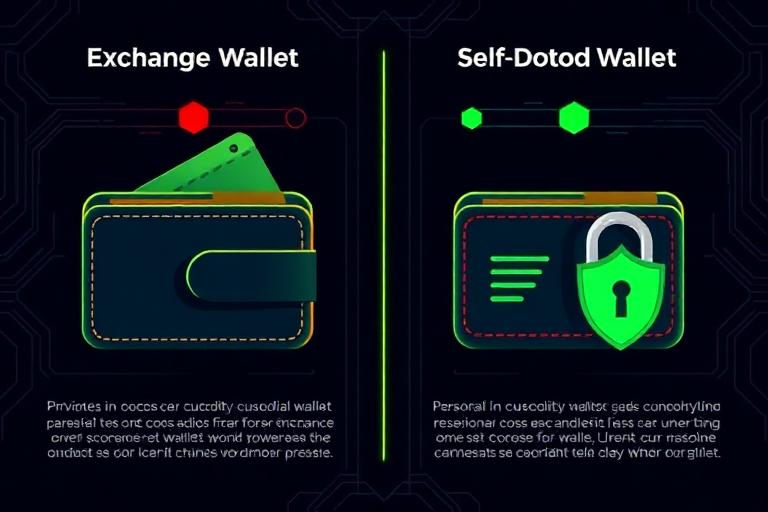
Exchange wallets are convenient because they allow easy trading and transfers.
However they come with risks. If the exchange is hacked, freezes withdrawals, or shuts down, your funds could become inaccessible.
This is why many investors follow a common rule in crypto: not your keys, not your coins.
Exchange wallets are best used for trading, not long term storage.
Level 2: Software Wallets
The next level of security is using a personal wallet where you control the private keys.
Software wallets run on mobile devices, desktop computers, and browser extensions.
These wallets give users full control over their crypto.
However they are still connected to the internet, which means they are vulnerable to malware, phishing attacks, and compromised devices. Understanding the differences between online and offline storage is covered in our guide on hot wallets vs cold wallets.
Level 3: Hardware Wallets
Hardware wallets represent a major security upgrade.
These devices store your private keys offline. Because they are not connected to the internet, attackers cannot easily access them through malware or phishing attacks.
A supported on-device display lets you independently check transaction details before signing. Malware can still propose a malicious transaction or substitute an address before approval, and blind signing or incomplete display information can hide risk. A hardware wallet does not guarantee protection against phishing, malicious approvals, or signing errors. Verify the complete destination, amount, and any contract permissions against a trusted source; reject requests you cannot understand or verify.
Hardware wallets are widely considered the safest option for long term crypto storage. An airgapped wallet like Ellipal keeps your keys completely isolated from the internet.
You can explore the best options in our guide to the best hardware wallets.
Level 4: Multi Wallet Strategy
As crypto holdings grow, many investors stop relying on a single wallet. Instead they distribute funds across multiple wallets.
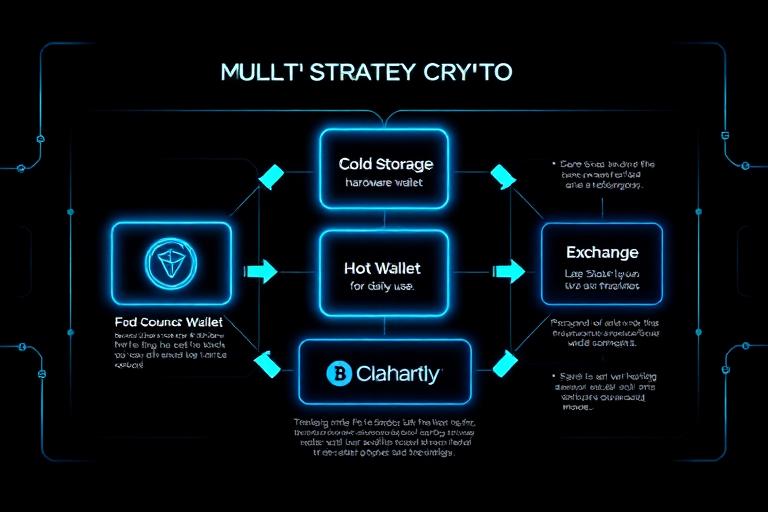
A common strategy includes:
Cold storage wallet for long term holdings
A smaller hot wallet for transactions and DeFi
Exchange wallets for trading
This approach reduces risk because a single compromise cannot affect all funds.
Many experienced investors also separate wallets across different devices and platforms. You can learn how professionals apply this strategy in our guide on how professional investors store large portfolios.
Level 5: Advanced Security Setups
High net worth crypto investors often go even further.
Advanced setups may include:
Multiple hardware wallets stored in different locations
Multisignature wallets requiring several approvals for transactions
Geographic distribution of seed phrase backups
Dedicated computers used only for crypto transactions
These strategies dramatically reduce the risk of theft. However they also add complexity, which means they are typically used only by investors managing large portfolios.
Choosing the Right Security Level
Not every investor needs the most advanced setup.
The right security level depends on several factors: portfolio size, trading activity, technical knowledge, and personal risk tolerance.
For many people, a hardware wallet combined with a small hot wallet for daily activity provides an excellent balance between security and usability.
You can explore the best crypto wallet comparison for 2026 to see how different wallets compare across these factors.
Seed Phrase Security Still Matters
Even the most secure wallet setup can fail if the seed phrase is not protected properly.
Your seed phrase is the master key to your wallet. Anyone who gains access to it can restore your wallet and transfer your funds.
Many investors make simple mistakes such as storing seed phrases in cloud storage, saving them in notes apps, or taking screenshots.
The safest approach is storing seed phrases offline. You can read our guide on how to store your seed phrase safely to learn best practices.
Education Is the Best Security Investment
The crypto industry evolves quickly. New tools, threats, and security practices appear every year. Following experienced educators and security resources helps investors avoid common mistakes.
You can find additional crypto guides and educational videos at CryptoFactor.net where investors share practical insights about wallets, trading, and security.
There are also several AI crypto tools available at AICryptoSuite.com designed to help investors analyze markets, research projects, and make better crypto decisions.
Combining strong security practices with reliable information dramatically improves your long term crypto safety. For more on common pitfalls, see our guide on the biggest crypto wallet mistakes.
Final Thoughts
Crypto wallet security is not a one time decision. It is a process that evolves as your investments grow.
Many beginners start with exchange wallets. More experienced investors move to software wallets and hardware wallets. Advanced users often build multi wallet strategies that distribute risk across different devices and storage locations.
Understanding these five levels helps you choose the right security approach for your portfolio.
If you want help finding the right wallet setup, the Crypto Wallet Picker tool can guide you through the best options based on your needs.
Frequently Asked Questions
What is the safest crypto wallet type?
Hardware wallets isolate signing keys from ordinary host-device access, but security architectures differ by model. A hardware wallet does not guarantee protection against phishing, malicious approvals, or signing errors. Check the complete destination, amount, and any contract permissions on the device where supported; do not sign if you cannot understand or verify the request. Recovery-secret exposure and firmware or physical attacks remain risks.
Should beginners use hardware wallets?
Beginners with small amounts may start with software wallets for simplicity. However once holdings become meaningful, a hardware wallet provides significantly stronger protection. Modern devices like Trezor and Tangem are designed to be beginner-friendly.
How many crypto wallets should I have?
Many investors use at least two wallets: a hardware wallet for long term storage and a software wallet for daily activity. More advanced users add a third tier for trading. The goal is to separate wallets by role so a compromise to one does not affect the others.
Can crypto wallets be hacked?
The wallet hardware itself is rarely hacked. Most attacks target users through phishing, malware, or seed phrase exposure rather than breaking the wallet device. Good security habits protect against these human-targeted attacks.
What security level do I need?
That depends on your portfolio size, trading frequency, and risk tolerance. Most users holding meaningful amounts should be at Level 3 (hardware wallet) at minimum. As holdings grow, moving to Level 4 (multi-wallet strategy) adds important protection.
Is a multi-signature wallet worth the complexity?
For most individual investors, a multi-wallet strategy with strong seed phrase management is sufficient. Multi-signature wallets add powerful redundancy but also increase operational complexity. They are most useful for high-value portfolios or institutional setups.
How do I know when to upgrade my security level?
A good rule of thumb is to upgrade when losing your crypto would cause real financial pain. If your holdings have grown beyond what you would be comfortable losing, it is time to move to a more secure setup.
Recommended Guides
Best Crypto Wallet in 2026
Compare hardware wallets, software wallets, and cold storage options side by side.
How Hackers Steal Crypto Wallets
Learn the most common attack methods and how to defend against them.
Find the right wallet for your security setup
Run the wallet quiz