How Professional Crypto Investors Store Millions Safely
By Paul Democritou · Updated March 2026 · 11 min read

As crypto portfolios grow, security becomes far more important than convenience.
Professional investors managing large amounts of cryptocurrency rarely rely on a single wallet or platform. Instead they use layered security strategies designed to minimize risk and eliminate single points of failure.
This guide explains how experienced crypto investors structure their wallet security and what strategies you can apply to your own crypto storage, regardless of portfolio size.
If you are unsure which wallet setup fits your situation, the Crypto Wallet Picker tool can help you compare wallet types and security options.
Direct Answer
Professional crypto investors usually do not rely on one wallet, one device, or one storage location. They protect large portfolios through layered custody, separating long term holdings from active funds, using hardware wallets and cold storage, and reducing single points of failure wherever possible.
You do not need to manage millions to apply the same logic. The main lesson is that larger crypto balances require more deliberate structure, redundancy, and separation.
At a Glance
- Core principle: No single wallet, device, or location should put the whole portfolio at risk
- Most common pro setup: Cold storage for savings, separate wallet for transactions, limited exchange exposure
- Biggest advantage: Risk is distributed instead of concentrated
- Biggest mistake: Treating a large crypto portfolio like a casual retail wallet setup
Why Large Crypto Portfolios Require Stronger Security
Managing a small crypto portfolio is very different from managing a large one. When holdings increase, the risks increase as well. A single compromised wallet could mean losing years of investment gains.
Because crypto transactions cannot be reversed, security planning becomes essential. Professional investors treat wallet security the same way traditional investors treat asset custody. They focus on reducing single points of failure, separating wallet roles, and avoiding unnecessary exposure.
For investors with portfolios over $10,000, the security stakes change significantly. Our guide on what wallet to use if you hold over $10,000 explains the practical thresholds in detail.
The Multi Wallet Strategy
One of the most common strategies used by professional investors is the multi wallet approach. Instead of storing everything in one wallet, funds are distributed across several wallets with different purposes.
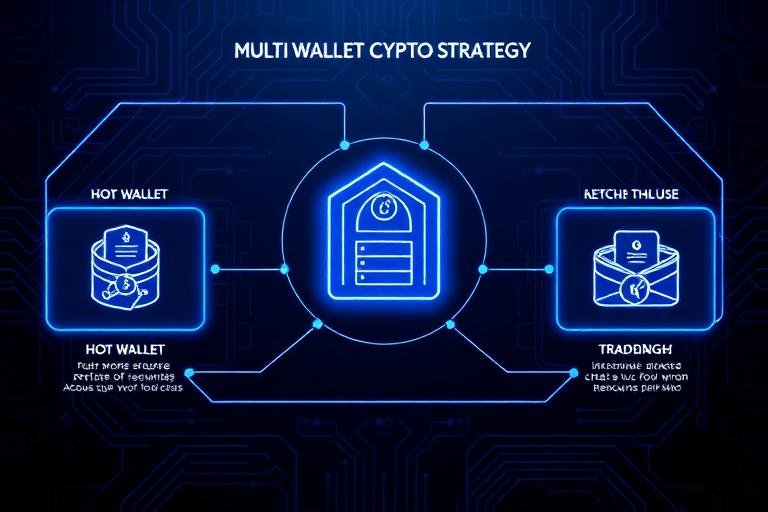
A typical structure includes:
Cold storage wallet for long term holdings
Hot wallet for daily transactions
Exchange wallet for trading activity
This separation dramatically reduces risk. If a hot wallet or exchange account is compromised, the majority of funds remain secure in cold storage.
To understand the different levels of wallet security, see our guide on the 5 levels of crypto wallet security. For the full overview of safe storage practices, see how to store crypto safely.
Cold Storage for Long Term Holdings
Cold storage refers to wallets that remain offline most of the time. Hardware wallets are the most popular form of cold storage, storing private keys offline and requiring physical confirmation to sign transactions.
Because they are not connected to the internet, they are extremely difficult for attackers to compromise remotely. Cold storage wallets are typically used to store the largest portion of a crypto portfolio.
For dedicated cold storage options, see our guide to the best cold wallets for 2026. For a broader hardware comparison, see the best hardware wallets in 2026.
Why Hardware Wallets Are Trusted by Professional Investors
Hardware wallets isolate signing keys from ordinary computer access. Where supported, their display lets you independently verify transaction details before signing. Malware can still propose a malicious transaction or substitute a destination before approval, so device confirmation is not a guarantee against phishing or signing errors.
These protections make hardware wallets one of the safest ways to store cryptocurrency. Popular choices among serious investors include Trezor for open-source transparency, Ellipal for air-gapped isolation, and Ledger for broad ecosystem support.
However even hardware wallets require good operational security. Seed phrase protection remains critical. You can learn more in our guide explaining how to store your seed phrase safely.
You can compare specific hardware wallets on our wallet pages: Trezor, Ellipal, Ledger.
Want to see which wallet fits your portfolio?
Take the Wallet Finder quizGeographic Distribution of Wallets
Many experienced investors distribute wallets across different physical locations. This protects against risks such as device theft, home burglary, and natural disasters.
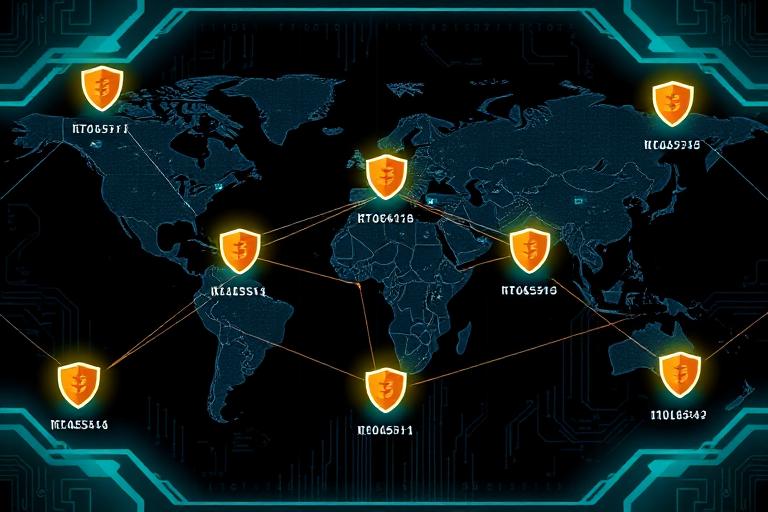
For example, one hardware wallet may be stored in a secure home safe while another backup device is stored in a separate location. Seed phrase backups may also be stored in different secure places. Some investors use safety deposit boxes or specialized storage solutions.
The goal is geographic redundancy: no single event should be able to destroy both your access and your backup simultaneously.
Dedicated Devices for Crypto
Another common practice among serious investors is using a dedicated computer for crypto activity. This device is used only for wallet access, transactions, and portfolio management. It is not used for general browsing, downloading files, or installing unknown software.
This significantly reduces the risk of malware infections and phishing attacks. For a comprehensive guide to device and browser safety, see our crypto security guide for 2026.
Multisignature Wallet Security
Some investors use multisignature wallets for additional protection. A multisignature wallet requires multiple approvals before a transaction can be executed. For example, a wallet might require two out of three devices to approve a transfer.
This makes it extremely difficult for attackers to steal funds even if they compromise one device. Multisig wallets are commonly used by crypto funds, companies, and investors managing very large portfolios.
For most retail investors, a well-structured hardware wallet setup provides excellent security without the operational overhead of multisig. Multisig becomes more relevant above $100,000 or for institutional-grade requirements.
Risk Distribution Is the Key Principle
The most important lesson from professional investors is risk distribution. Security is not about finding one perfect device or one perfect wallet. It is about creating multiple layers of protection so that no single failure can compromise the entire portfolio.
A well-distributed crypto setup might include:
A hardware wallet for long term holdings
A smaller hot wallet for everyday transactions
An exchange wallet for active trading
Offline seed phrase backups in separate locations
Separate devices for crypto activity
If a complete recovery phrase for a standard single-seed wallet is exposed, assume that wallet is compromised; another backup copy or device does not protect its funds. Promptly transfer remaining funds to a new wallet securely generated on a trusted device with a different recovery phrase. Do not reuse the exposed phrase or assume deleting a digital copy makes it safe. Independent wallets or a correctly configured threshold system may limit the affected assets only when their recovery secrets and access paths are genuinely independent. A verified backup can restore access after device failure, but recovery is not necessarily immediate.
This is the real lesson. It is not about one brand or one wallet. It is about layered custody design where risk is distributed across multiple independent systems.
For investors beginning to take their setup more seriously, the first step is often moving funds off exchanges. See our guide on how to move crypto from an exchange to a hardware wallet.
For more on common security pitfalls, see our guide on the biggest crypto wallet mistakes.
Education Is a Critical Part of Crypto Security
Even the best security tools cannot protect investors who do not understand the risks. Learning how crypto wallets work and how attackers operate dramatically reduces the chances of losing funds.
You can find additional crypto guides and educational resources at CryptoFactor.net where experienced investors share practical insights about wallets, trading strategies, and crypto security.
There are also AI crypto tools available at AICryptoSuite.com that help investors analyze markets, evaluate crypto projects, and make smarter investment decisions.
Final Thoughts
Professional crypto investors treat wallet security as an ongoing strategy rather than a single decision. They distribute funds across multiple wallets, use cold storage for long term holdings, and protect seed phrases carefully.
You do not need to manage millions of dollars to benefit from these strategies. Even smaller portfolios become much safer when the same principles of wallet separation, layered protection, and proper backup management are applied.
If you want help choosing the right wallet setup for your situation, the Crypto Wallet Picker tool can guide you. You can also explore the best crypto wallet comparison for 2026 for a broader view of your options.
Frequently Asked Questions
How do wealthy crypto investors store their crypto?
Most professional investors distribute funds across multiple wallets, using hardware wallets and cold storage for the majority of their holdings. They separate long term savings from active funds and avoid keeping everything in one place. Geographic redundancy and strong seed phrase management are also common practices at this level.
Is a hardware wallet enough for large crypto portfolios?
A hardware wallet provides strong foundational security, but for larger portfolios most investors go further. They add backup devices, store seed phrases in separate physical locations, separate wallet roles, and sometimes use multisignature setups. The hardware wallet is the starting point, not the entire strategy.
What is cold storage in crypto?
Cold storage refers to wallets that remain offline and disconnected from the internet, such as hardware wallets or air-gapped devices. Because private keys never touch an internet-connected device, cold storage significantly reduces the risk of remote attacks, malware, and phishing. It is the preferred method for protecting long term crypto holdings.
Should I store all crypto in one wallet?
Most experienced investors avoid storing everything in one wallet because it creates a single point of failure. If that one wallet is compromised, lost, or damaged, the entire portfolio is at risk. Separating funds across different wallets with different roles is one of the most practical risk reduction strategies available.
Do you need multiple wallets to store a large crypto portfolio safely?
In most cases, yes. Professional investors typically use at least two or three wallets with different roles. A cold storage wallet holds the majority of long term funds, a transaction wallet handles periodic activity, and a hot wallet or exchange balance covers daily needs. This layered structure limits the damage from any single compromise.
Is multisig necessary for most investors?
Multisig is not necessary for most retail investors. It adds strong protection but also increases complexity significantly. For portfolios under $100,000, a well-structured hardware wallet setup with proper seed phrase management usually provides excellent security. Multisig becomes more relevant for very large holdings or institutional-grade custody.
What part of a portfolio should stay on an exchange?
Only the amount you are actively trading should stay on an exchange. Exchanges are convenient for buying and selling but introduce counterparty risk. If the exchange is hacked, freezes withdrawals, or fails, funds held there may be inaccessible. Most professional investors keep the vast majority of their holdings in wallets they control.
Recommended Guides
Best Hardware Wallet in 2026
The top hardware wallets ranked by security, price, and usability for serious investors.
What Crypto Wallet Should You Use If You Hold Over $10,000?
Tiered storage, hardware wallets, and self custody strategies for larger portfolios.
Find the right wallet for your security setup
Run the wallet quiz