How Hackers Actually Steal Crypto Wallets (And How to Protect Yours)
By Paul Democritou · Updated March 2026 · 8 min read

Crypto investors often worry about market crashes. But the bigger risk is losing your crypto to theft.
Unlike traditional banking, crypto transactions are irreversible. If someone gains access to your wallet, your funds can disappear in minutes.
The good news is that most crypto theft can be prevented once you understand how attackers operate.
This guide explains the most common ways hackers steal crypto wallets and what you can do to protect yourself.
If you are unsure which wallet setup is safest for you, you can use the Crypto Wallet Picker tool to compare wallets based on security, usability, and storage type.
Direct Answer
The most common ways hackers steal crypto are phishing attacks, clipboard malware, fake wallet apps, malicious browser extensions, seed phrase exposure, and SIM swap attacks. Almost all of these target user behavior rather than wallet technology itself, and basic security habits prevent the vast majority of them.
At a Glance
- Most common attack: Phishing (fake websites and messages)
- Most dangerous mistake: Exposing your seed phrase digitally
- Most overlooked weakness: Browser extensions and clipboard malware that silently replace wallet addresses
- Key insight: Most theft targets user behavior, not wallet technology
- Prevention rate: Basic security habits prevent the vast majority of attacks
The Reality of Crypto Wallet Hacks
Many people assume crypto hacks happen because blockchains are insecure.
That is almost never the case.
Blockchains like Bitcoin and Ethereum are extremely secure. The real vulnerabilities come from how users interact with wallets and devices.
Most crypto theft happens through simple attack methods such as:
Phishing scams
Malware infections
Fake wallet apps
Browser extensions
Seed phrase exposure
SIM swap attacks
Understanding these threats is the first step to protecting your crypto.
1. Phishing Attacks
Phishing is the most common way hackers steal crypto.
Attackers create fake websites that look identical to real platforms such as exchanges or wallet services.
When users enter their login credentials or seed phrase, attackers gain instant access to their wallet.
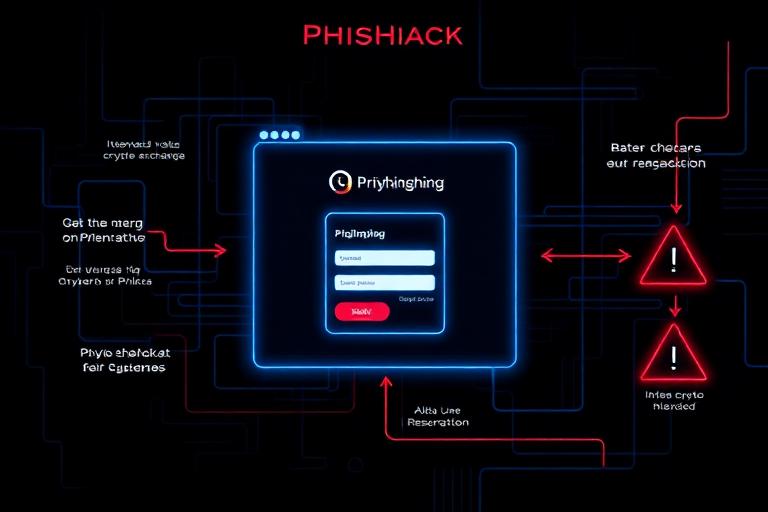
Common phishing traps include:
Fake wallet recovery pages
Fake exchange login pages
Emails pretending to be wallet support
Social media messages asking for verification
Important rule: legitimate wallets will never ask for your seed phrase.
If a website or support agent asks for it, it is a scam.
2. Clipboard Malware
Clipboard malware replaces wallet addresses when you copy and paste them.
Here is how the attack works:
You copy a wallet address to send crypto. Malware running on your computer automatically swaps that address with the attacker's address. When you paste it into the transaction field, you unknowingly send crypto to the attacker.
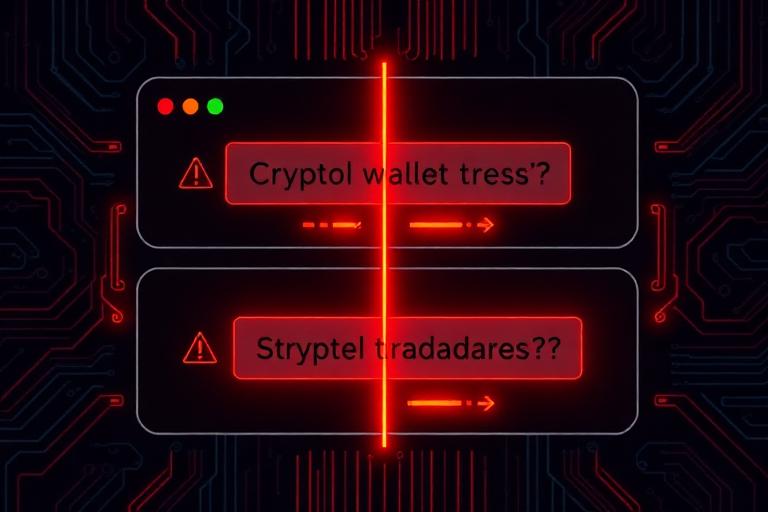
This type of malware has stolen millions in crypto over the years.
Protection tip: always verify the first and last characters of a wallet address before confirming a transaction.
Attackers can also plant lookalike addresses in your transaction history. See how crypto address poisoning works.
3. Fake Wallet Apps
Fake crypto wallets are another major threat.
Scammers create wallet apps that look identical to legitimate ones and upload them to app stores.
Once installed, these apps can:
Steal your seed phrase
Redirect transactions
Send private keys to attackers
Always download wallets from official sources. Hardware wallet manufacturers and reputable software wallets publish their official download links on their websites. Learn how to spot fake crypto wallet apps and extensions.
4. Browser Extension Attacks
Many crypto users interact with DeFi platforms using browser wallets.
Malicious browser extensions can monitor activity and intercept wallet connections. Some extensions even replace legitimate wallet interfaces.
Protection tips include:
Use trusted browser wallets only
Avoid installing unnecessary extensions
Use a separate browser profile for crypto activity
These small precautions dramatically reduce risk.
5. Seed Phrase Exposure
Your seed phrase is the master key to your crypto wallet. Anyone with access to it can control your funds.
The most common mistakes people make include:
Saving seed phrases in cloud storage
Taking screenshots of the phrase
Storing it in email or notes apps
Sharing it with fake support agents
The safest approach is to store your seed phrase offline. Many investors use metal seed phrase backup plates designed for long term storage. For a detailed guide, see How to Store Your Seed Phrase Safely.
6. SIM Swap Attacks
SIM swap attacks target users who rely on SMS verification.
Attackers convince mobile providers to transfer your phone number to a new SIM card. Once they control your number, they can intercept authentication codes and access exchange accounts.
Protection strategies include:
Avoid SMS based authentication
Use authenticator apps instead
Enable account security locks with your mobile provider
The Safest Crypto Storage Strategy
Experienced investors rarely rely on a single wallet. Instead they use a layered security approach. Understanding the different levels of wallet security can help you decide which setup fits your situation.
A common strategy includes:
A hardware wallet for long term storage
A small hot wallet for daily transactions
An exchange account for trading
Hardware wallets store private keys offline, making them extremely difficult for hackers to compromise. An airgapped wallet like Ellipal keeps your keys completely isolated from the internet.
You can learn more about choosing between online and offline wallets in our guide on hot wallets vs cold wallets. For detailed hardware wallet comparisons, see the best hardware wallets in 2026.
Education Is Your Best Defense
Crypto security improves dramatically when investors understand the risks. Following reputable education sources can help avoid common mistakes.
You can find additional crypto education resources and security videos at CryptoFactor.net where experienced investors share practical guides and tutorials.
There are also several AI crypto tools available at AICryptoSuite.com designed to help investors analyze markets, evaluate projects, and make smarter crypto decisions.
Combining security knowledge with the right tools dramatically reduces the risk of losing your crypto. For more on common pitfalls, see our guide on the biggest crypto wallet mistakes.
Key Crypto Security Rules
Always verify wallet addresses before sending funds.
Never share your seed phrase with anyone.
Use hardware wallets for large holdings.
Avoid installing unknown browser extensions.
Keep your crypto activity separate from everyday browsing.
These habits alone prevent the majority of crypto theft incidents.
Final Thoughts
Crypto gives investors full control over their assets. That freedom comes with responsibility.
Most crypto theft happens not because the technology is broken but because users unknowingly expose their wallets.
By understanding how hackers operate and implementing basic security practices, you can dramatically reduce the risk of losing your funds. Our guide on storing crypto safely covers additional strategies worth considering.
If you are choosing a wallet for the first time or upgrading your security setup, the Crypto Wallet Picker tool can help you find the best wallet for your needs.
Frequently Asked Questions
What is the most common way crypto gets stolen?
Phishing attacks and seed phrase exposure are the two most common causes of crypto theft. Phishing uses fake websites and messages to trick users into revealing credentials or approving malicious transactions. Seed phrase exposure happens when users store their recovery phrase digitally where it can be accessed by attackers.
Are hardware wallets safe from hackers?
Hardware wallets significantly reduce hacking risk because private keys remain offline and never leave the device. However they do not protect against user errors like approving a malicious transaction or exposing the seed phrase. Hardware wallets are one layer of a complete security strategy.
Can someone steal crypto if they know my wallet address?
No. A wallet address alone cannot give access to funds. Attackers need private keys or the seed phrase to move crypto. Wallet addresses are designed to be shared publicly for receiving funds without creating a security risk.
What should I do if I think my wallet is compromised?
Immediately move any remaining funds to a new wallet generated on a clean, trusted device. Do not reuse the compromised wallet or seed phrase. Change passwords on any associated accounts and review how the compromise happened to prevent it from recurring.
How do SIM swap attacks work?
Attackers contact your mobile provider and convince them to transfer your phone number to a new SIM card. Once they control your number, they can intercept SMS verification codes and use them to access exchange accounts. Using an authenticator app instead of SMS prevents this attack entirely.
Can clipboard malware steal crypto?
Yes. Clipboard malware monitors your copy and paste activity and silently replaces wallet addresses with attacker-controlled addresses. When you paste what you think is your address, you are actually pasting the attacker's. Always verify the first and last characters of any pasted address before confirming.
What is the safest way to avoid crypto theft?
Use a hardware wallet for your main holdings, store your seed phrase offline in multiple secure locations, use a dedicated browser profile for crypto, enable authenticator-based 2FA on all accounts, and never click links from unsolicited messages. Most crypto theft is preventable with basic security habits.
Recommended Guides
Crypto Security Guide 2026
Device safety, browser protection, phishing, and the habits that protect your crypto.
How to Store Your Seed Phrase Safely
Your seed phrase is the master key to your crypto. Learn the best practices for protecting it.
Find the right wallet for your security setup
Run the wallet quiz