Best Crypto Wallet Setup for Travel in 2026
By Paul Democritou · Updated March 2026 · 11 min read
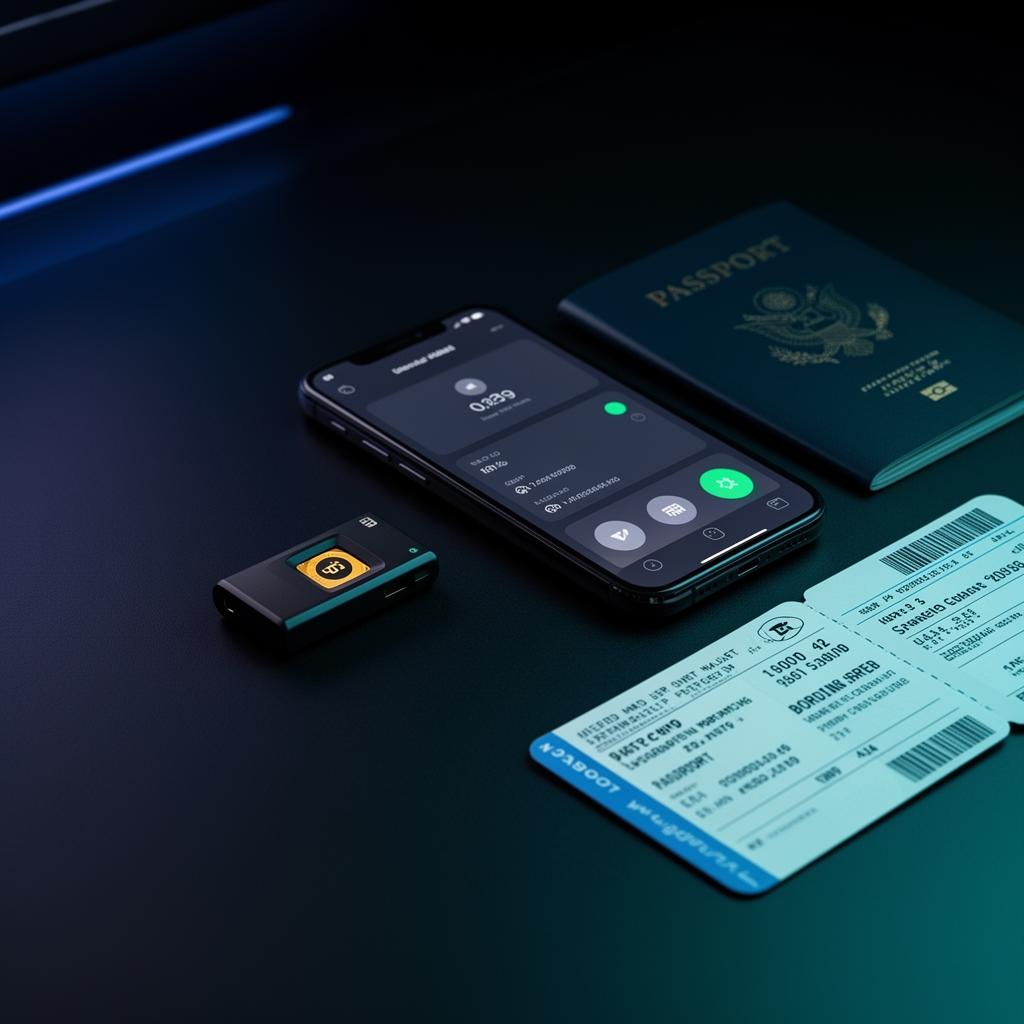
Traveling with crypto changes the risk. The networks are unfamiliar, your devices are more exposed, border searches are possible, and theft or loss is more likely. If you approach travel crypto security the same way you handle things at home, you are exposing yourself to unnecessary risk.
This guide covers the best crypto wallet setup for travel in 2026. The goal is to help you carry what you need while keeping the majority of your portfolio safe at home.
Direct Answer
The best crypto wallet setup for travel is usually a limited exposure setup, not your full long term storage system. For most travelers, that means keeping serious long term holdings at home in cold storage, carrying only the funds you may realistically need, and using a compact wallet setup that balances portability with security.
In most cases, traveling with your full seed phrase, your main long term stack, or your entire backup system is a mistake. The smartest travel setup is about separation, not convenience.
Travel Wallet Setup at a Glance
- Best setup for most travelers: Keep your main holdings at home and travel with a limited secondary wallet setup
- Best travel hardware wallet: Tangem
- Best for portability: Tangem or an Ellipal X Card style setup
- What not to carry: Your full long term stack, your full seed phrase, or your entire recovery setup unless there is a very specific reason
Travel Wallet Comparison Table
| Wallet | Best For | Main Strength | Main Tradeoff |
|---|---|---|---|
| Tangem | Travel portability | Card-sized, NFC tap, fits in passport holder | Less traditional than dedicated device wallets |
| Ellipal X Card | Portability with isolation | Air-gapped, credit-card form factor | Requires phone app for signing |
| Trezor | Overall self custody | Strong security and trust | Larger device, less ideal for pocket carry |
| Software wallet | Small active balances | Always accessible, fast | Higher exposure on unfamiliar networks |
Why Travel Changes Wallet Risk
At home, your crypto setup lives in a controlled environment. Your network is familiar, your devices are maintained, and your backups are in fixed locations. Travel strips away all of that.
When you travel, you are more likely to:
- Use public or untrusted WiFi networks
- Cross borders where electronic devices can be searched or confiscated
- Stay in shared spaces where theft is more common
- Lose or damage portable devices
- Be targeted for physical theft in unfamiliar places
The solution is not to leave crypto behind entirely. It is to travel with a wallet setup designed for the risks you actually face while moving.
For a broader look at how to store crypto safely, that guide covers both home and travel scenarios.
Best Crypto Wallet Setup for Travel
The core principle is simple: separate your travel wallet from your long term wallet.
Here is the basic three-layer travel structure most serious users follow:
- Main vault at home. Your serious long term holdings stay in cold storage at home. This is your primary protection layer and it never travels.
- Travel wallet with limited funds. A compact hardware wallet or card-style wallet loaded with only what you need for the trip. This is your active travel layer.
- Separate accounts for travel. A dedicated email address and, if needed, a separate exchange account just for travel. This limits the blast radius if credentials are compromised abroad.
This structure means that even if your travel wallet is stolen, lost, or confiscated, the damage is capped at the travel balance. Your main portfolio remains untouched.
Best Hardware Wallet for Travel
Tangem
Tangem is one of the strongest travel hardware wallet options available. The cards are credit-card sized, durable, and tap-based using NFC. They fit in a passport holder or standard wallet and work offline with any NFC-enabled phone. For travel, the form factor alone makes Tangem stand out.
For the full wallet page: Tangem overview
Ellipal X Card
The Ellipal X Card is another card-sized option with stronger isolation. It is air-gapped with no wireless connectivity, which makes it immune to network-based attacks. The card has a built-in screen and works through the Ellipal phone app using QR codes. It is compact enough for travel and provides solid self custody on the move.
For more on Ellipal: Ellipal overview
Trezor as a travel secondary
Trezor is a strong overall wallet, but it is not the most portable option for travel. If you already own a Trezor, you could use a secondary device loaded with limited travel funds. But for pure portability, Tangem or the Ellipal X Card are usually better fits.
For the deeper hardware wallet comparison: Best Hardware Wallet in 2026
The Role of Software Wallets While Traveling
Software wallets can play a role during travel, but they should be treated as a convenience layer, not a security layer.
A software wallet on your phone can be useful for:
- Quick access to small spending amounts
- Receiving payments or small transfers
- Managing tokens you may need on the go
The tradeoff is that software wallets are more exposed to network attacks, malware, and device compromise. While traveling, these risks are amplified because you may be using unfamiliar networks and less controlled environments.
The general rule: use a software wallet for small active balances, but do not use it as your primary travel security. For a deeper comparison, see Hardware Wallet vs Software Wallet.
What You Should Not Travel With
These are the items and setups that most increase your risk while abroad:
- Your full seed phrase. Do not pack it, photograph it, or store it in the cloud. Leave it at home.
- Your main long term hardware wallet. Your primary cold storage device should stay in its secure location.
- Your full recovery setup. Carrying your hardware wallet, seed phrase backup, and all recovery materials together defeats the purpose of separating risk.
- Excessive crypto balances. Only carry what you actually plan to use. Treat travel crypto like travel cash.
How to Separate Travel Funds from Long Term Holdings
Separation is the core idea behind a good travel crypto strategy. Here is how to do it:
- Before the trip: Transfer only the amount you need to your travel wallet. Keep everything else in your main cold storage at home.
- Use a separate wallet address or device: Do not mix travel funds with long term holdings on the same device or seed.
- Consider a separate exchange account: If you need exchange access while traveling, use a dedicated account with its own email and two-factor setup.
- After the trip: Move any remaining travel balance back to your main setup once you are home.
This approach limits the blast radius. If anything goes wrong while traveling, only your travel balance is at risk.
For step-by-step guidance on moving funds: How to Move Crypto from an Exchange to a Hardware Wallet
Seed Phrase and Backup Considerations While Abroad
Your seed phrase is the master key to your crypto. Travel makes it much harder to protect. Follow these rules:
- Never carry the full phrase. Do not pack a written seed phrase, take a photo of it, or store it in cloud storage. Leave it at home in a secure location.
- Keep backups in separate locations at home. Your backups should be distributed between a home safe, deposit box, or trusted contact. If your travel wallet is lost, you can always recover it when you return.
- Use a travel wallet with its own seed. Ideally, your travel wallet should have its own separate seed phrase, not a shared one with your main cold storage.
For a deeper guide on this topic: Best Way to Store a Seed Phrase Safely
Not sure which wallet is the best fit for your travel style?
Take the wallet quizCommon Travel Wallet Mistakes
- Traveling with your full long term stack. This is the number one mistake. Never carry your entire crypto net worth when you leave home.
- Carrying your seed phrase. If your seed phrase is stolen while abroad, your entire wallet is compromised.
- Using public WiFi to access crypto. Public networks are easy attack surfaces for credential theft and session hijacking.
- No separation between travel and home setup. Mixing your travel wallet with your main cold storage defeats the purpose of having layers.
- Forgetting to reduce exposure before the trip. Preparation matters. Move funds to the travel wallet before you leave.
- Assuming a software wallet alone is enough for larger balances. A software wallet can work for small amounts, but for anything meaningful, a compact hardware wallet adds real protection.
For a broader security checklist: Crypto Security Guide 2026
Final Verdict
The best crypto wallet setup for travel is not about finding the one perfect wallet. It is about building a simple separation strategy that limits your exposure while abroad and protects your main portfolio at home.
For most travelers:
- Keep your long term holdings in cold storage at home
- Carry a compact travel wallet like Tangem or the Ellipal X Card loaded with limited funds
- Leave your seed phrase at home in secure backup locations
- Use a software wallet only for small convenience amounts
That is the real travel crypto strategy. Separation, not convenience. For a full wallet comparison including travel considerations, see Best Crypto Wallet in 2026.
Frequently Asked Questions
What is the best crypto wallet setup for travel?
The best travel crypto wallet setup is a limited exposure system. Keep your main long term holdings at home in cold storage and carry only a compact wallet with limited funds. This separates your travel risk from your overall portfolio risk and limits the damage from theft, loss, or border situations.
Should I travel with my hardware wallet?
You can travel with a hardware wallet, but it should ideally be a secondary device loaded with only the funds you need for the trip. Traveling with your primary long term hardware wallet and full recovery setup introduces unnecessary risk. A compact travel wallet like Tangem is often a better fit.
Should I travel with my seed phrase?
In most cases, no. Your seed phrase is the master key to your crypto. Carrying it while traveling exposes you to theft, loss, and border search risks. Leave your seed phrase backups at home in secure locations. If your travel wallet is lost, you can recover it when you return.
Is Tangem good for travel?
Yes. Tangem is one of the strongest travel hardware wallet options because of its card-sized form factor, NFC tap-based signing, and the fact that it fits in a passport holder or standard wallet. It is durable, tamper-proof, and works offline with any NFC-enabled phone.
Is a software wallet enough while traveling?
A software wallet can work for travel if the amounts are small and you are comfortable with the tradeoffs. Software wallets are convenient but more exposed to network attacks, malware, and device compromise. For anything beyond small balances, a compact hardware wallet adds meaningful security.
What is the biggest travel crypto mistake?
The biggest travel crypto mistake is traveling with your entire crypto setup as if risk does not change when you leave home. Carrying your full stack, your full seed phrase, and your primary hardware wallet while abroad is a concentrated exposure that is easy to avoid with a basic separation strategy.
Should I keep my long term wallet at home while I travel?
Yes. Your long term cold storage setup should stay at home in a secure location. Travel with a separate wallet loaded with only what you need. This protects the majority of your portfolio even if your travel setup is lost, stolen, or compromised.
Recommended Guides
Best Hardware Wallet in 2026
Compare hardware wallets by security, ease of use, and long term storage.
How to Store Your Seed Phrase Safely
Your seed phrase is the master key to your crypto. Learn the best practices for protecting it.
Find the right wallet for your security setup
Run the wallet quiz